Archive of Dissent starting on Fleet Street in London– Anarchive is Born!


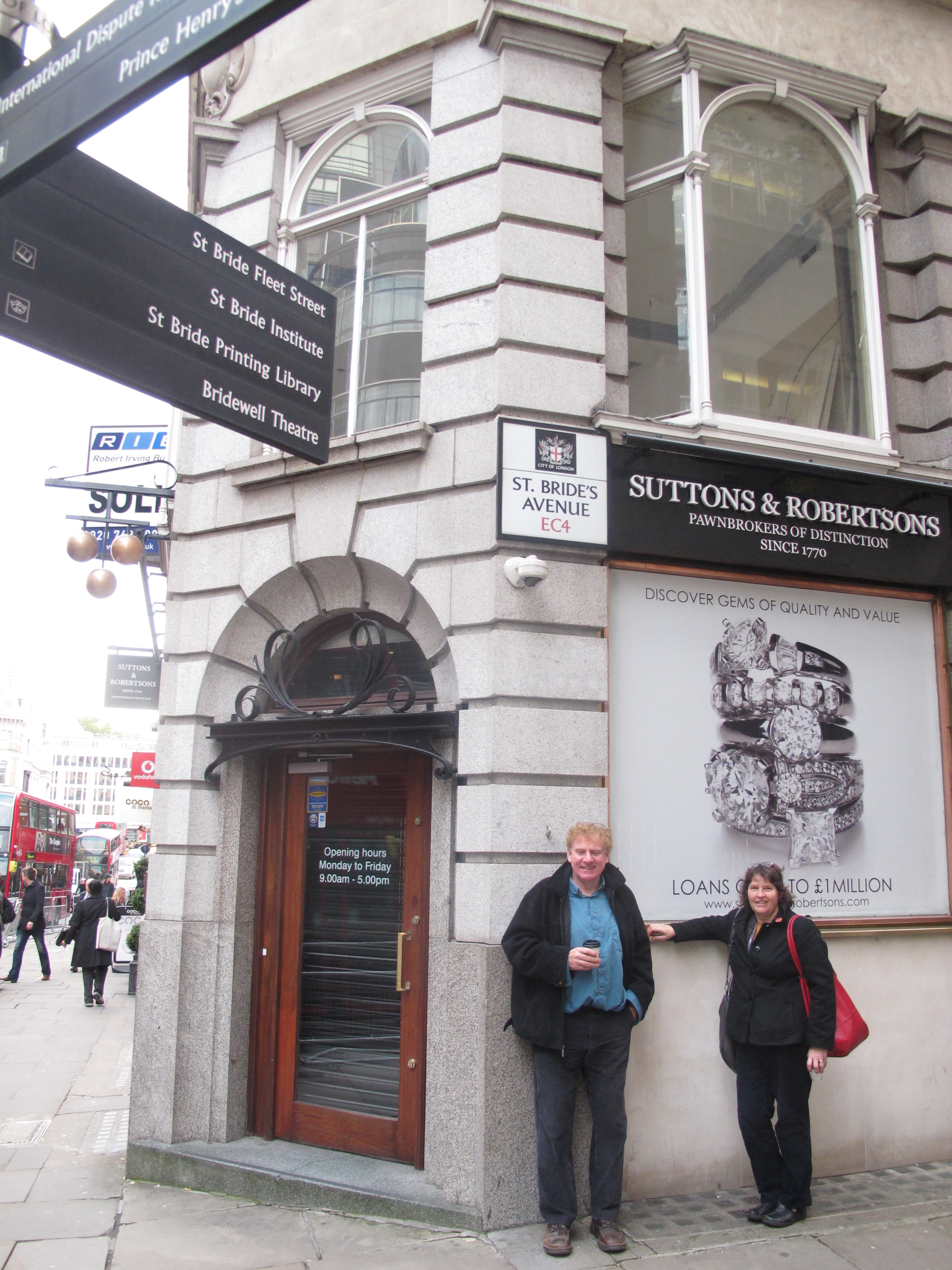
Iain and Gillian Boales in front of the new building on Fleet Street

Iain and Gillian Boal showed me their building before it is renovated that will be an archive and center for conversation about dissent, anarchy, and social movements.    It is great that it is located right across the street from Goldman Sachs (which does not bear any signage).    The first floor tenant is a pawnbroker– which gives an further idea of the current trades on that street.

Mayday Rooms “is a safe house for vulnerable archives and historical material linked to social movements, experimental culture, and marginalized figures and groups.”

They are working to have it last a long time because it preserves the alternative voices that have been forced out.

May the Anarchive live and educate forever!

Mayday Rooms building in Londond

Mayday Rooms building in Londond

Posted in Uncategorized | Comments Off on Archive of Dissent starting on Fleet Street in London– Anarchive is Born!

My Son’s First Vote

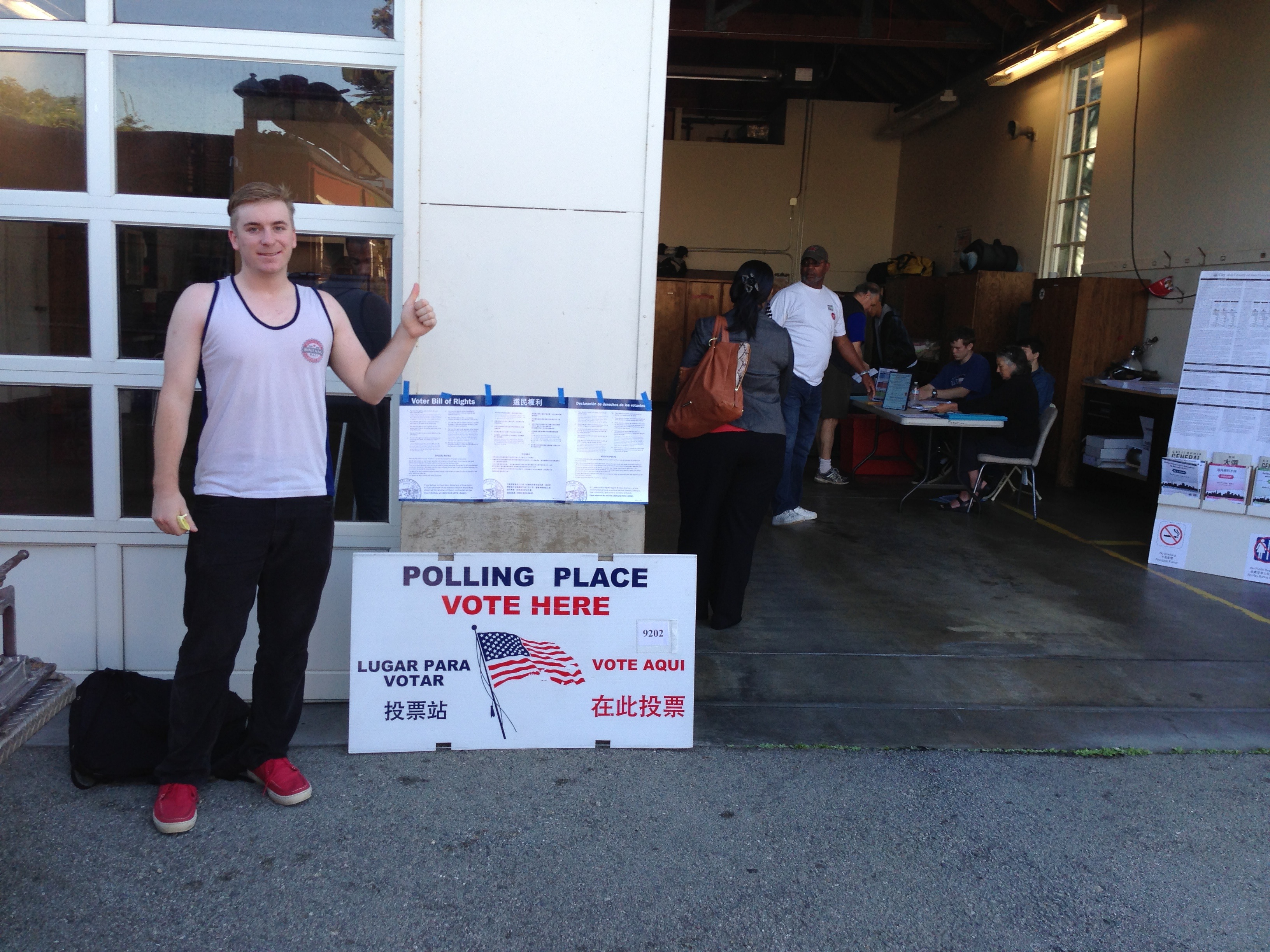
Proud father time.

Caslon at the polling place in the Presidio. No lines, paper record, nice people. All good.

Caslon Voting for the First Time

Posted in Uncategorized | 2 Comments

2001 Essay on US tax benefits for real estate developers, and that it encourages bubbles and flipping

My friend Matt Ostrowski sent me a link to an article written in 2001 by Michael Hudson.  Not an easy read, but interesting because it was written in 2001, therefore the before the housing bubble popped in 2007.    It shows some of the favorable tax treatment afforded to the real estate industry, and the encouragement to trade properties to leverage repeated depreciation cycles to maximize this tax treatment.   I have wondered why properties never get past their 30 year mortgages, and this helps explain why.

Further this paper showed how the bubble could have been made more obvious except that the Federal Reserve stopped reporting some key statistics in 1994:

“But nationwide totals [of land and building values] were no longer compiled [by the Federal Reserve]. … Instead of making better land estimates, the Fed has dropped what had become a political and statistical hot potato. 1994 is the last year for which it has estimated economy-wide land and building values.”

But not reporting this is important because it fueled leverage buyouts (now called Private Equity) deals:

“Since the late 1940s ‘concealed value’ in the form of properties carried at outdated book values reflecting low acquisition prices was a major factor behind corporate raiding, mergers and acquisitions. Aggressive firms employed accountants to pour over the Stock Exchange’s 10K reports searching for such hidden values.”

This also shows how certain appraisal approaches help avoid income taxes through depreciating buildings over and over again:

“These fiscal considerations help to explain why it has been so hard to get Washington to produce national land value statistics.”

This lead investors to sell and resell properties quickly.

Combined with low cost credit leads to price appreciation and bubbles ensue.

Interestingly, nothing in this analysis has changed, so all these incentives still exist and the lack of public statistics and lack of political will to change seem to imply we are in much the same position we were before this last run-up popped.

This makes me more encouraged to find a way to create stable housing outside by changing some of the rules, in our case non-profit and debt-free housing.

Posted in Uncategorized | Comments Off on 2001 Essay on US tax benefits for real estate developers, and that it encourages bubbles and flipping

The Credit Union is an Association of People, Not of Dollars

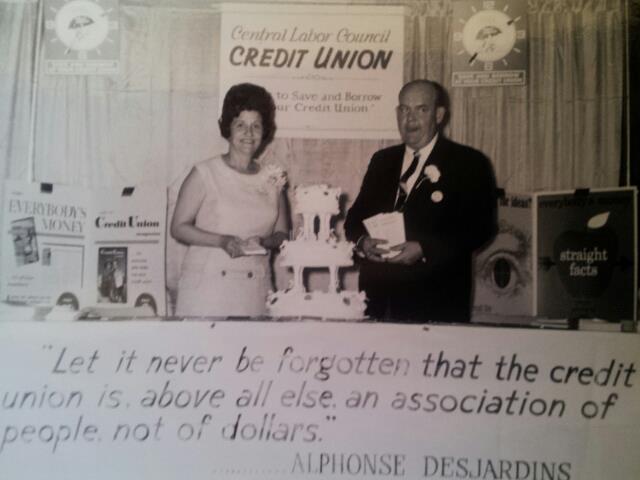
Patricia Watts’ Mother at her Credit Union

A friend, Patricia Watts, sent this picture of her mother because she knew we are setting up a Credit Union. Helen M. Watts (1922-2012) managed a credit union in Phoenix, Arizona for 15 years (1961-1976). She was a pioneer in the movement and was a big inspiration to her daughter.

I love the quotation from Alphonse DesJardins, the instigator for North American credit unions.

Posted in Uncategorized | Comments Off on The Credit Union is an Association of People, Not of Dollars

Dust Storms Back?

Edge of the dust storm shows that it was a bright day.

Driving across the country with my son (great fun), in Arizona the bright sun was blotted out with a red cloud. Dust.

The person at the Agricultural inspection station at the California boarder said it happened every so often.  It is just from the desert not the agricultural land.     But I dont know…  wild.

I recently read a wonderful book about the economic and political circumstances of the Dust Bowl in the 1930's–  it is the same overstomping application of capitalism that got the country into the stock problem.    I do not think much has changed since then, and we had some recurrance last year of dust storms.

Dust Storm in Arizona blotted out the bright sun

Posted in Uncategorized | 1 Comment

Microfinance in the USA: Predatory lending to the lower middle class

I saw Hugh Sinclair speak and just finished his fabulous book:  Confessions of a Microfinance Heretic: How Microlending Lost Its Way and Betrayed the Poor .   It shows how Kiva, Citi, and a famous VC, Vinod Khosla, among many others have made high returns off of the poorest women in the world with loans with interest rates that are often over 100% per year.

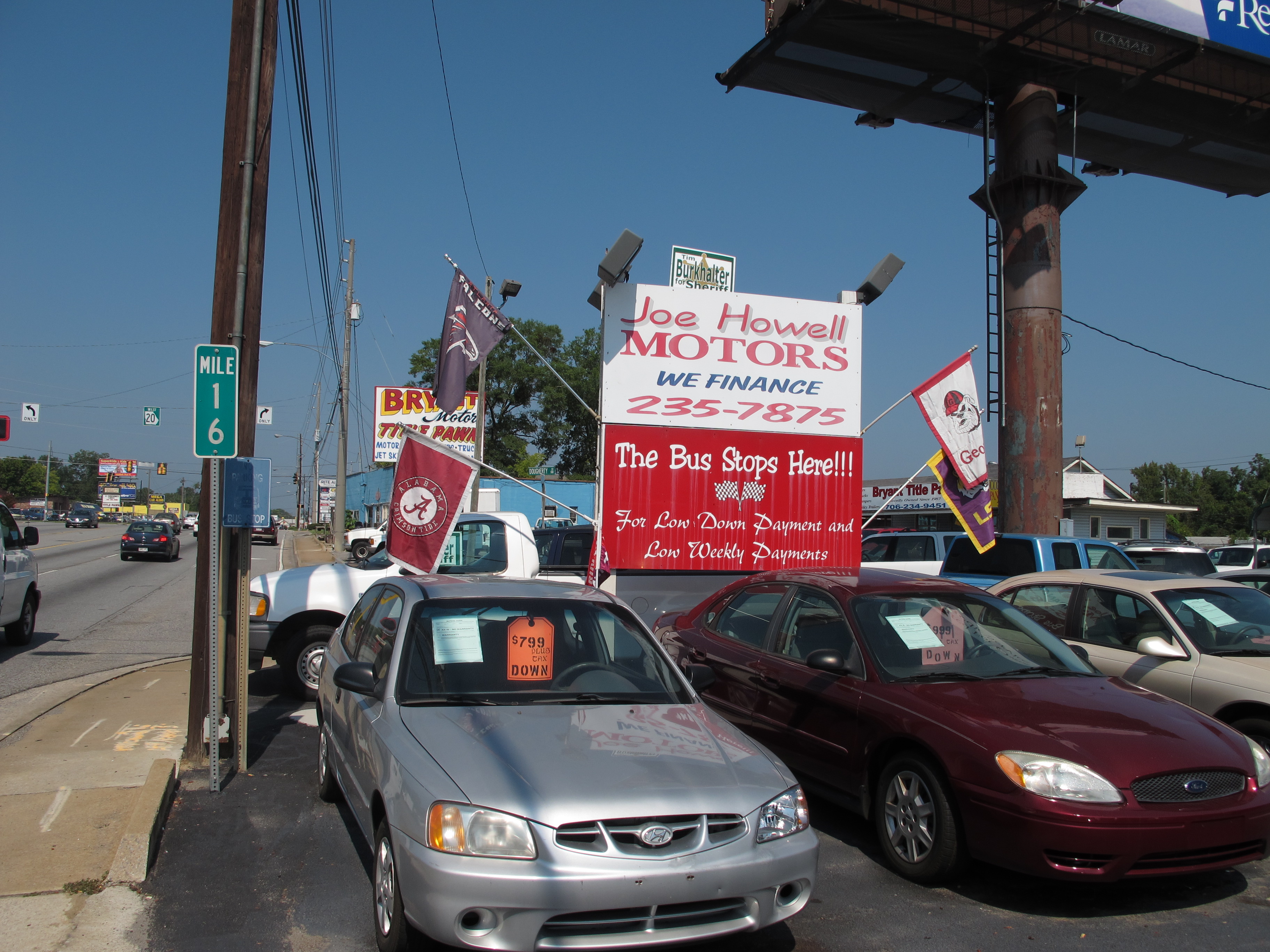
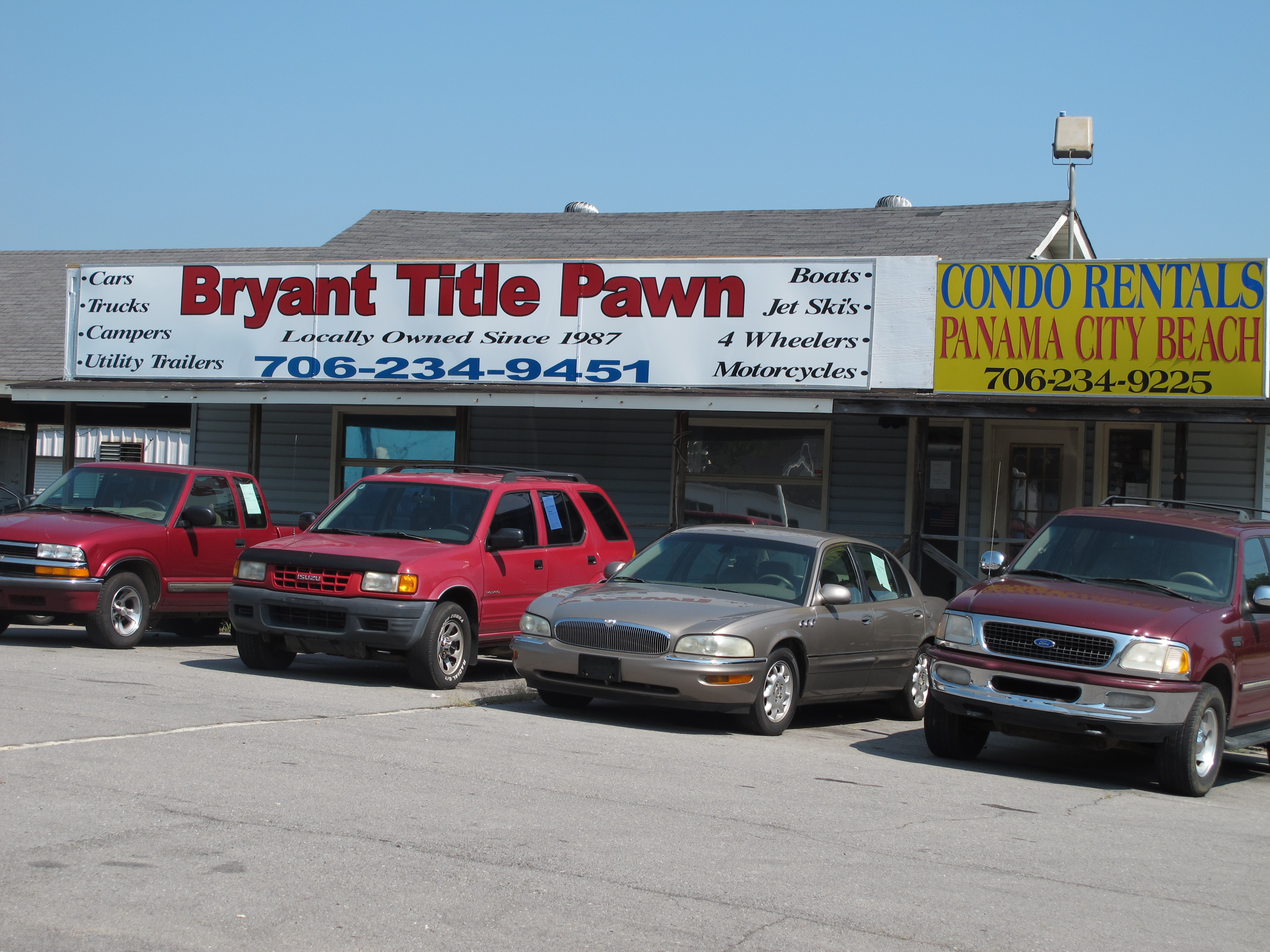
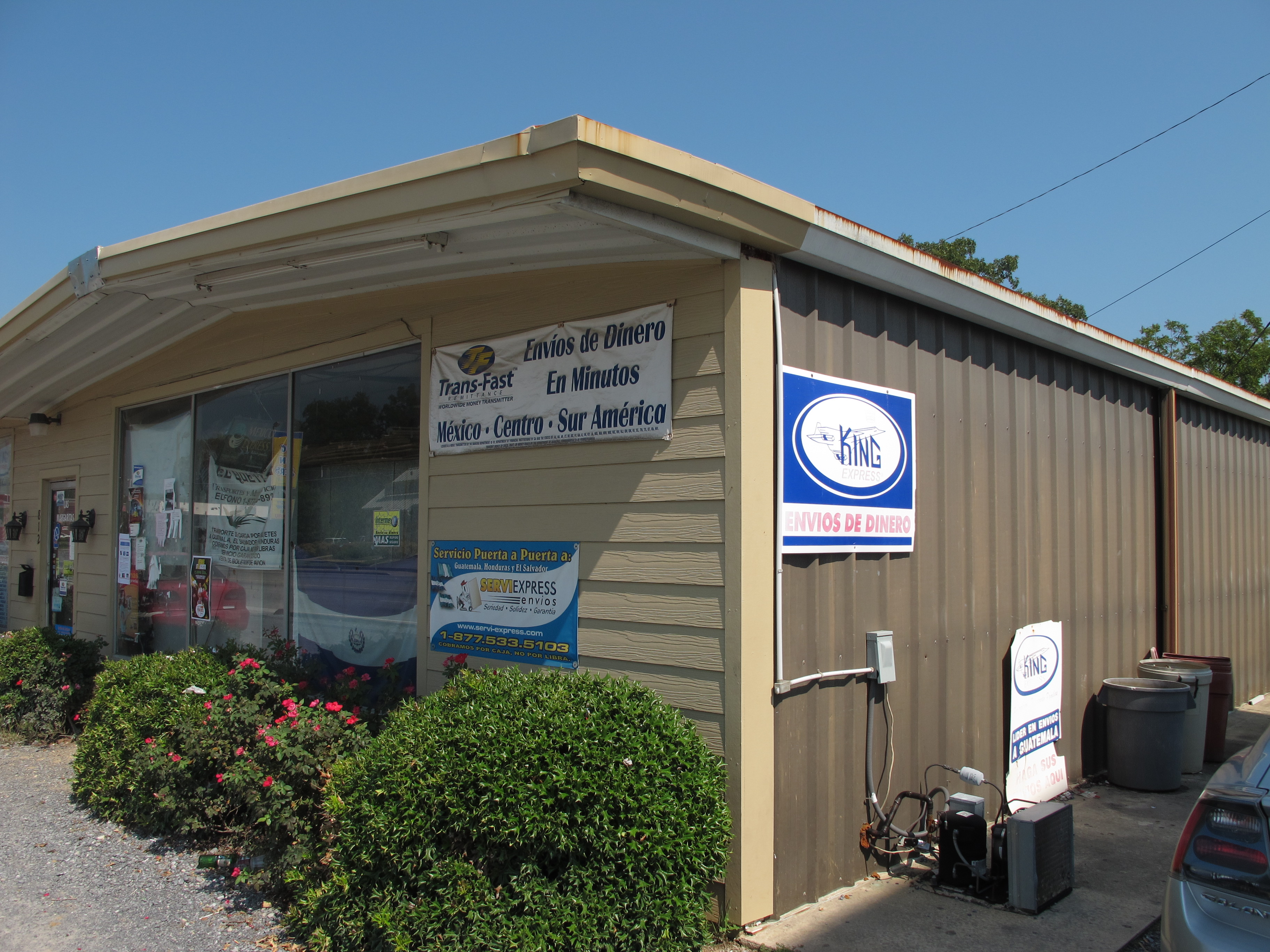
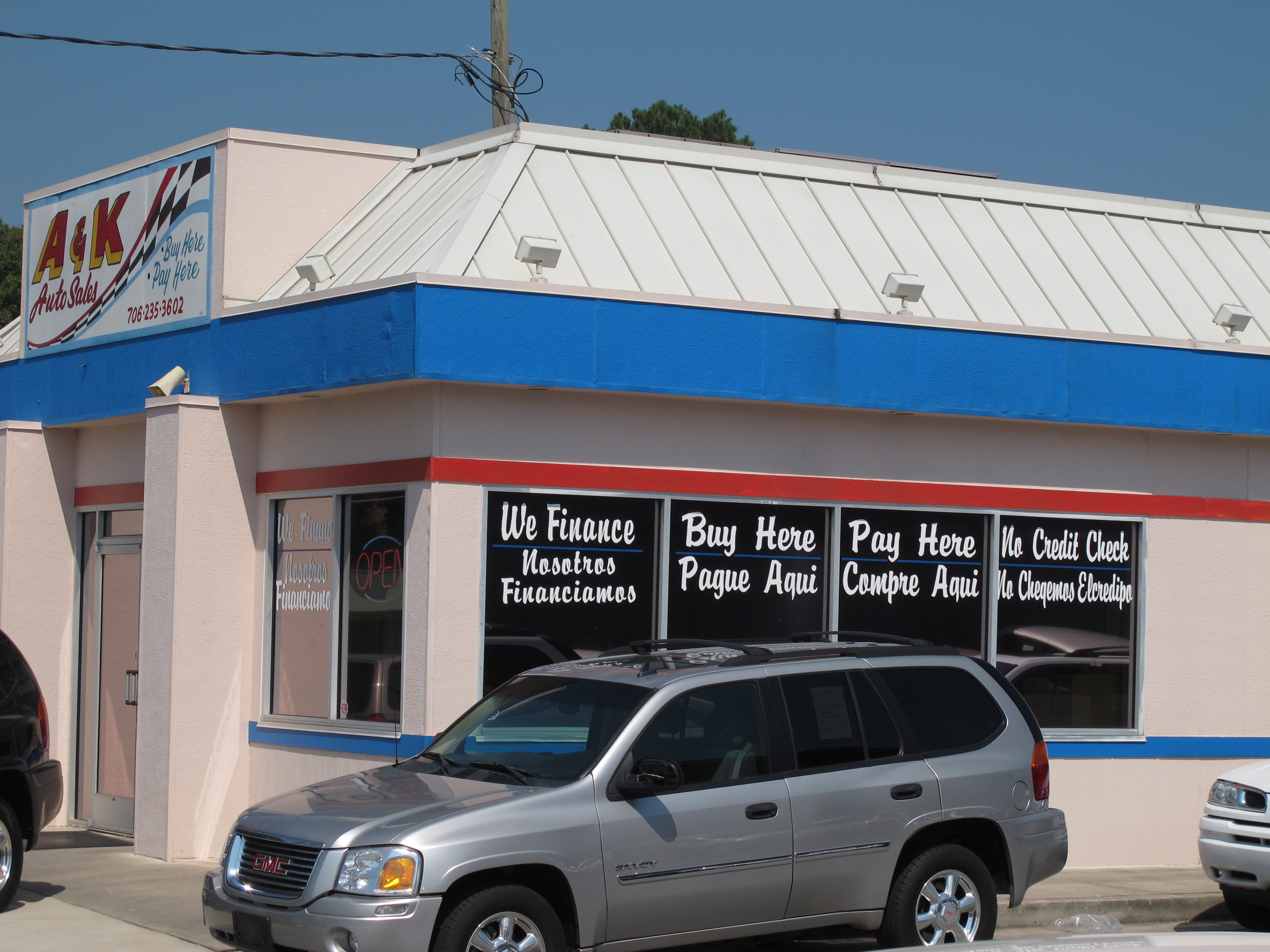
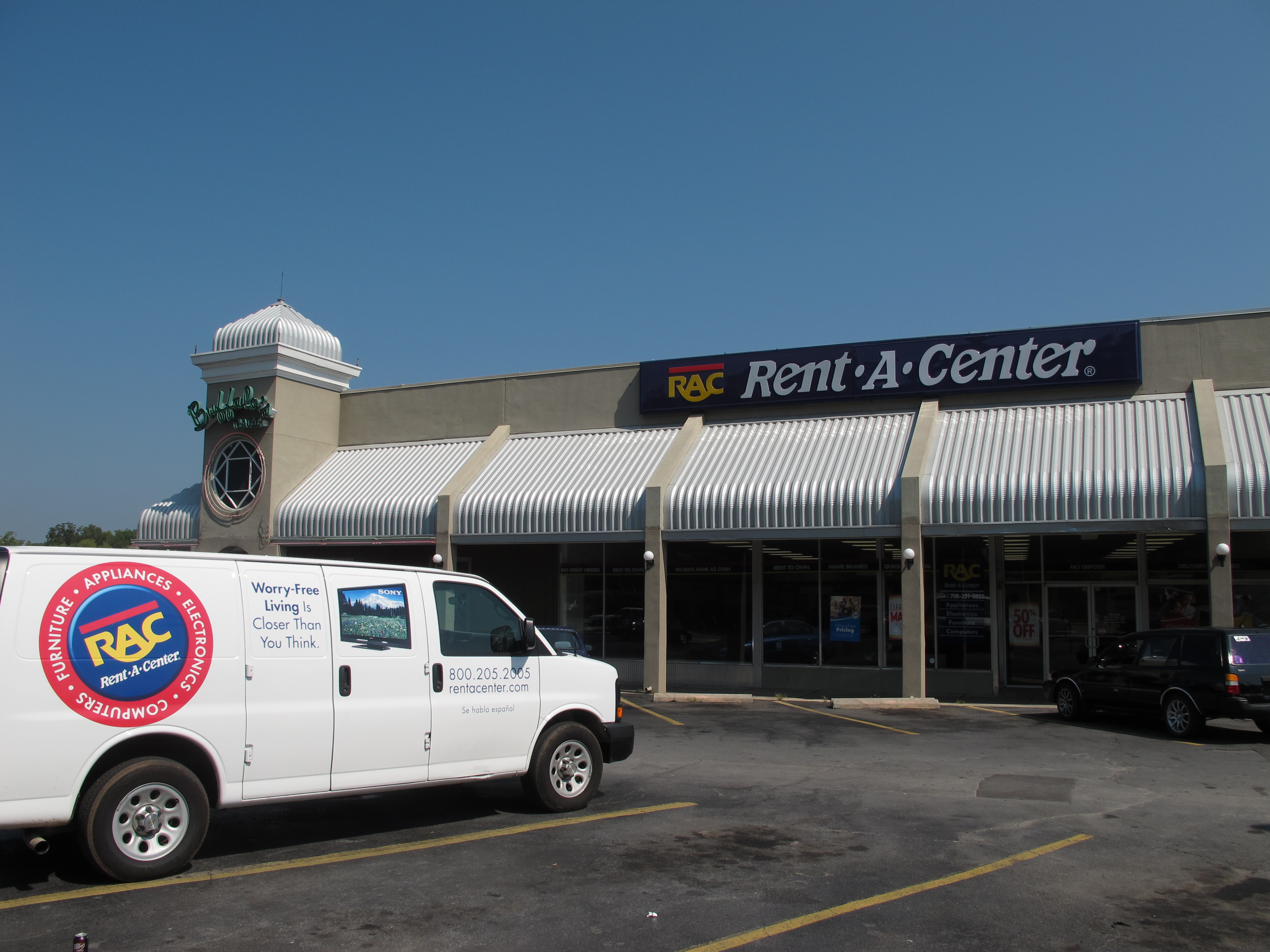
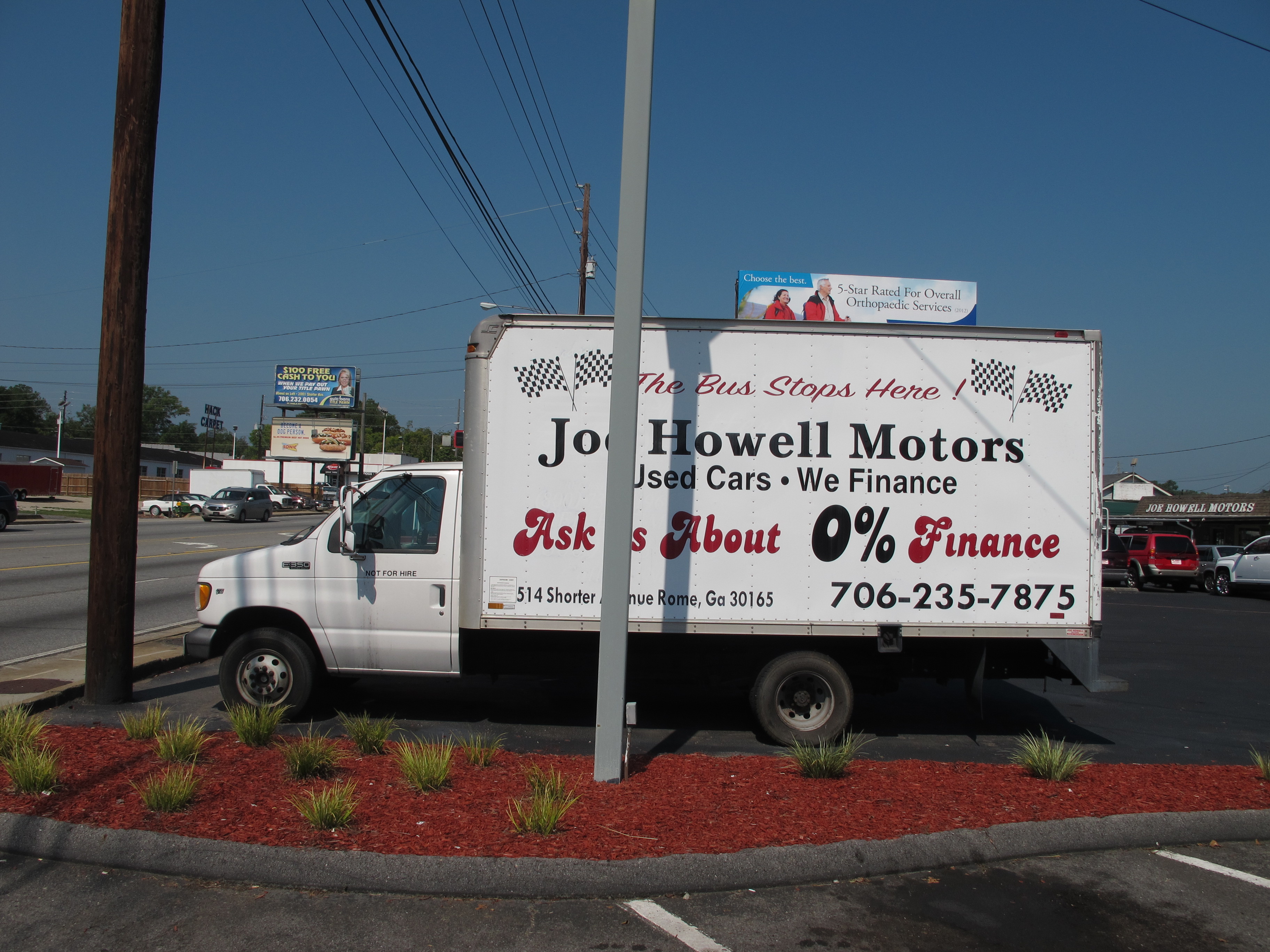
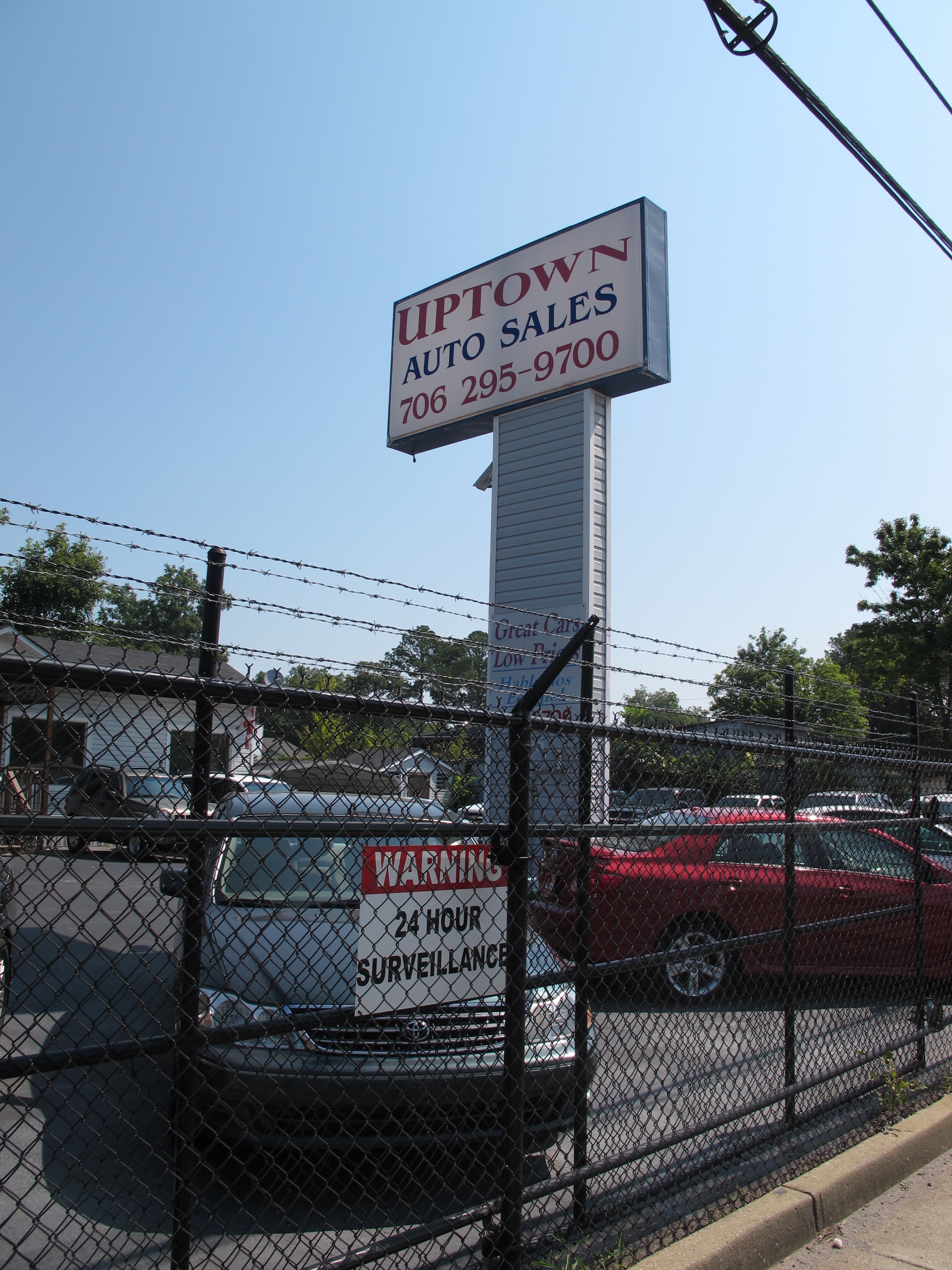
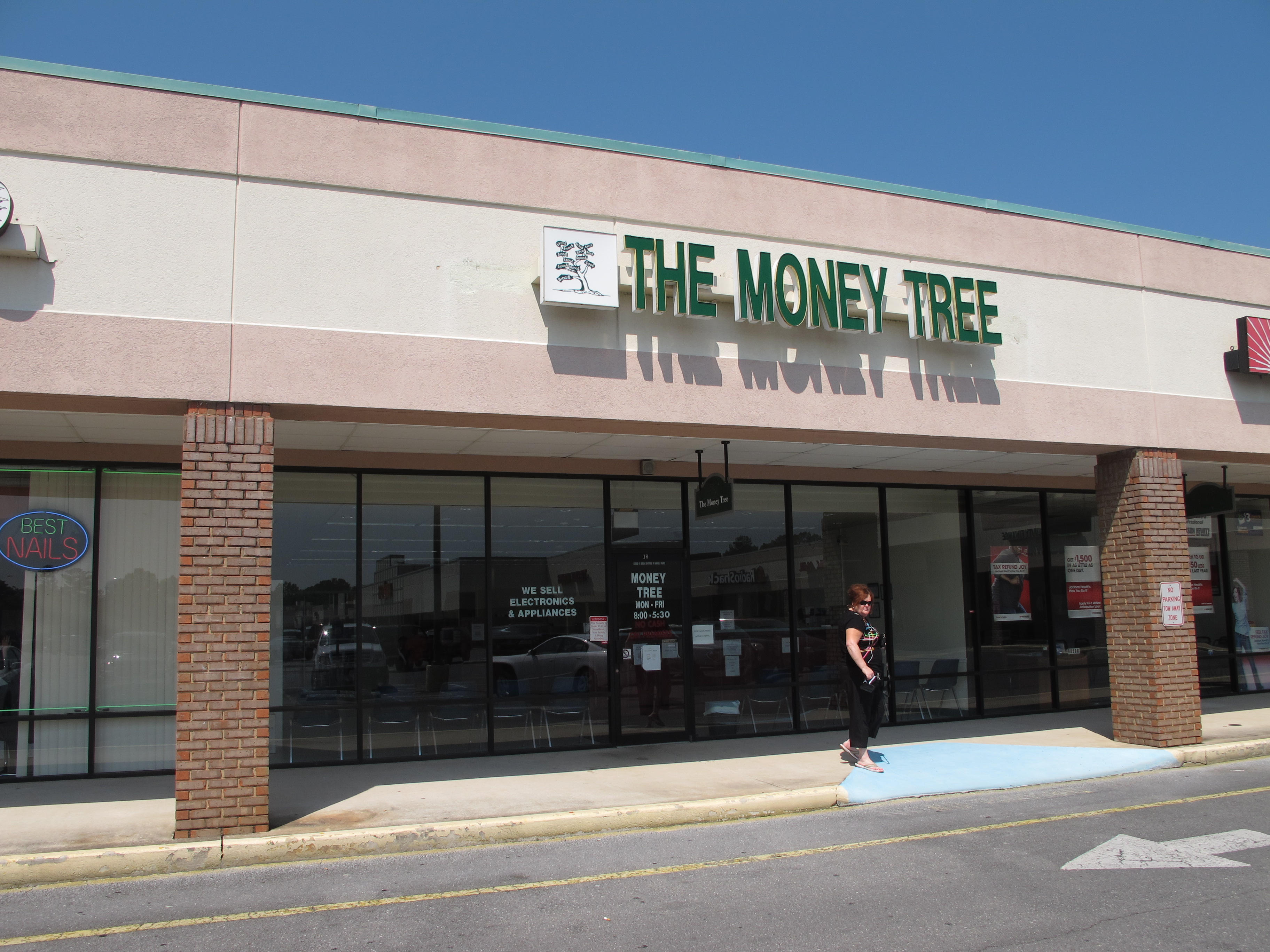
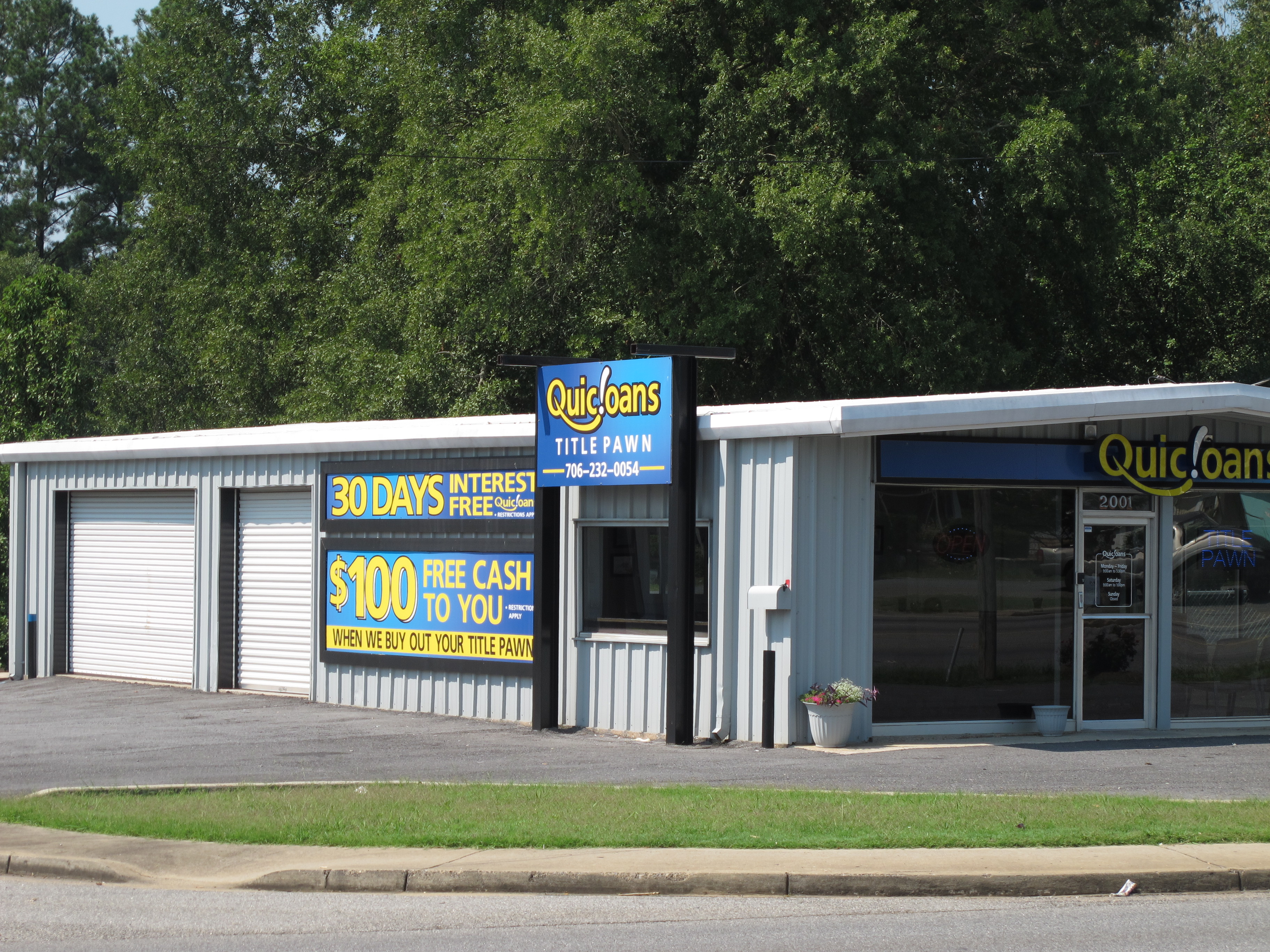
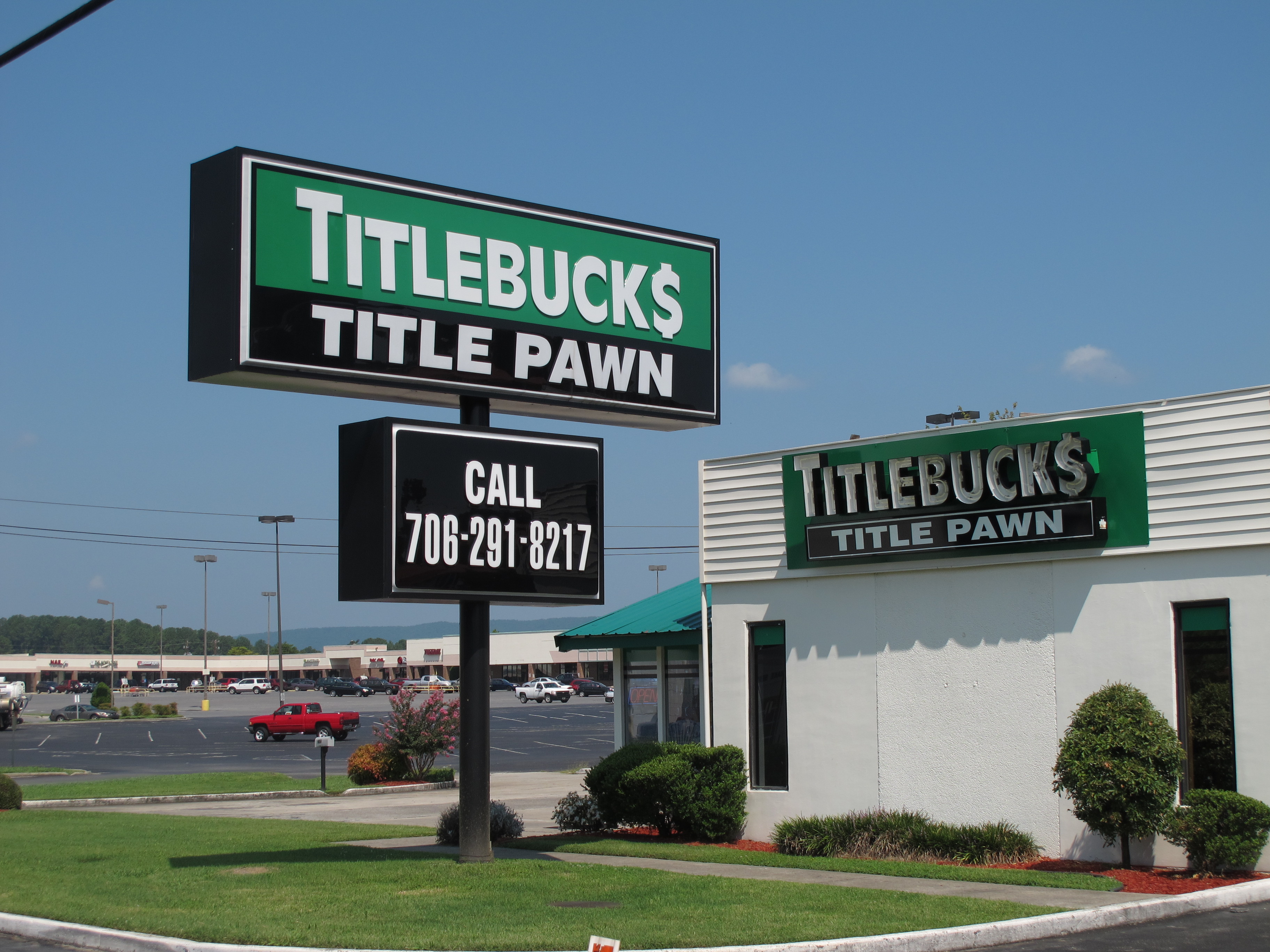
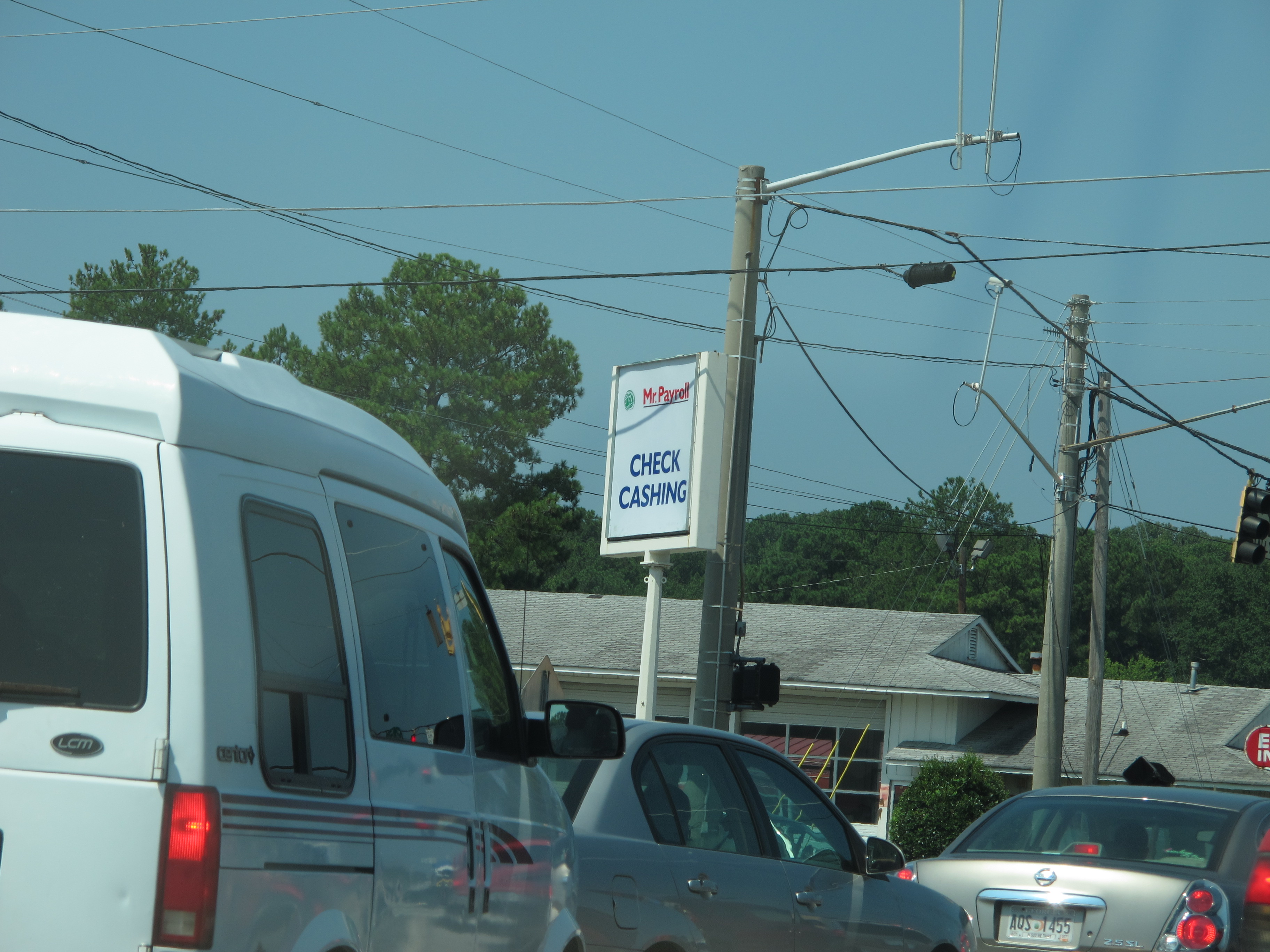
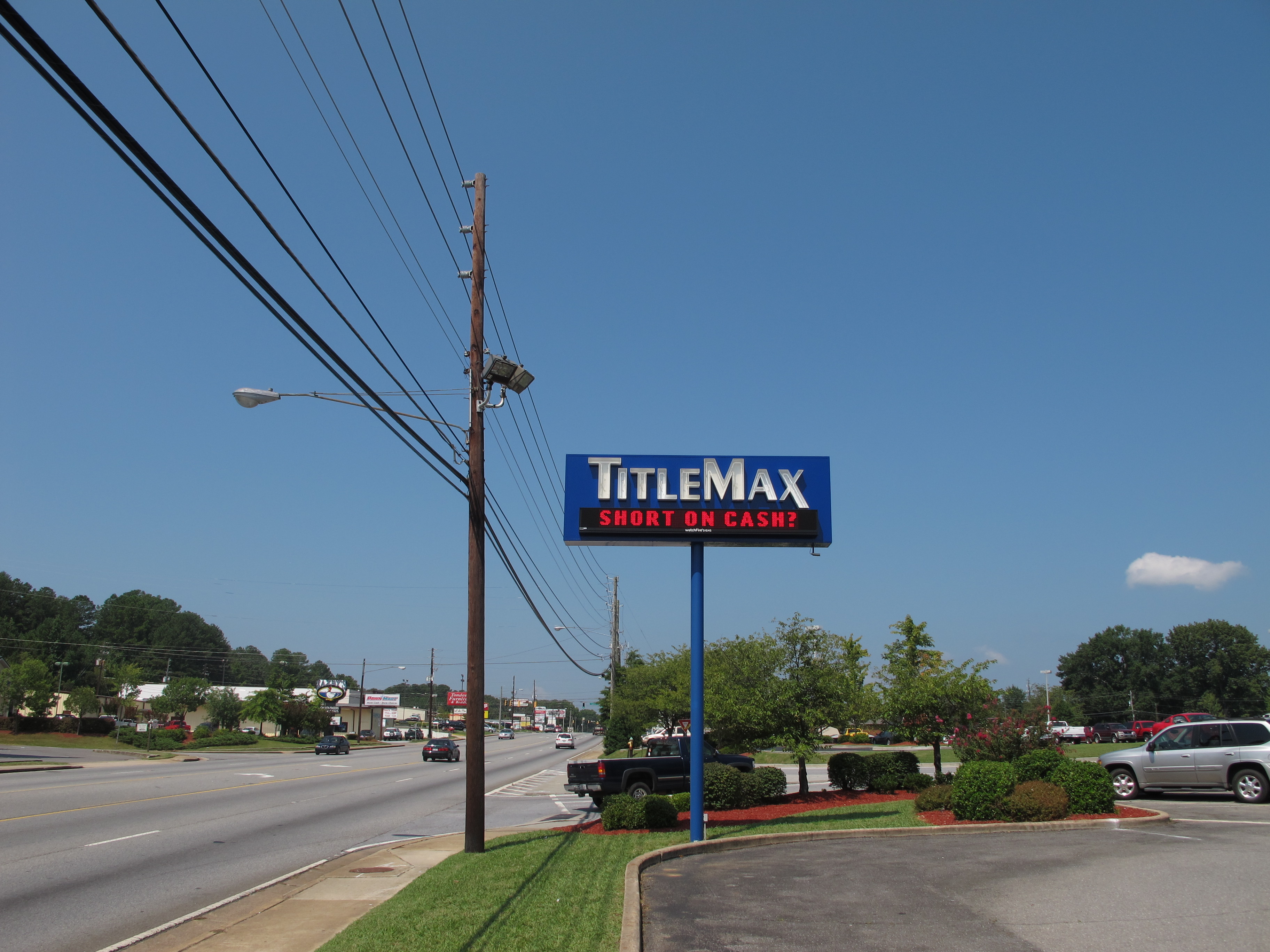
I am now in Georgia with my inlaws and was stunned to see the number of “microfinance” institutions here.   I would say over 15 are in this 1 mile strip occupying the most expensive roadside real-estate.  These are financial services organizations that “serve” the working people of Rome Georgia.

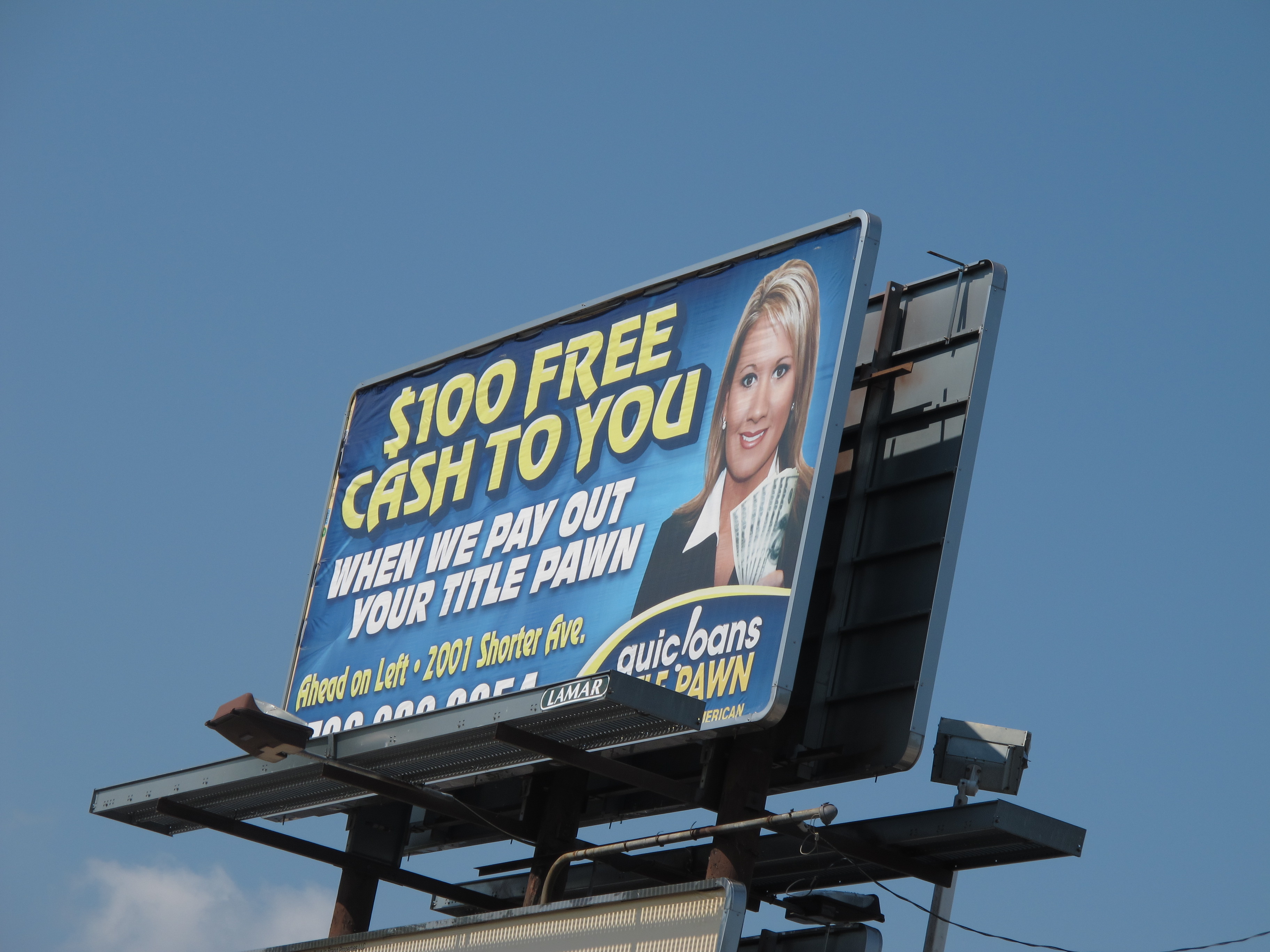
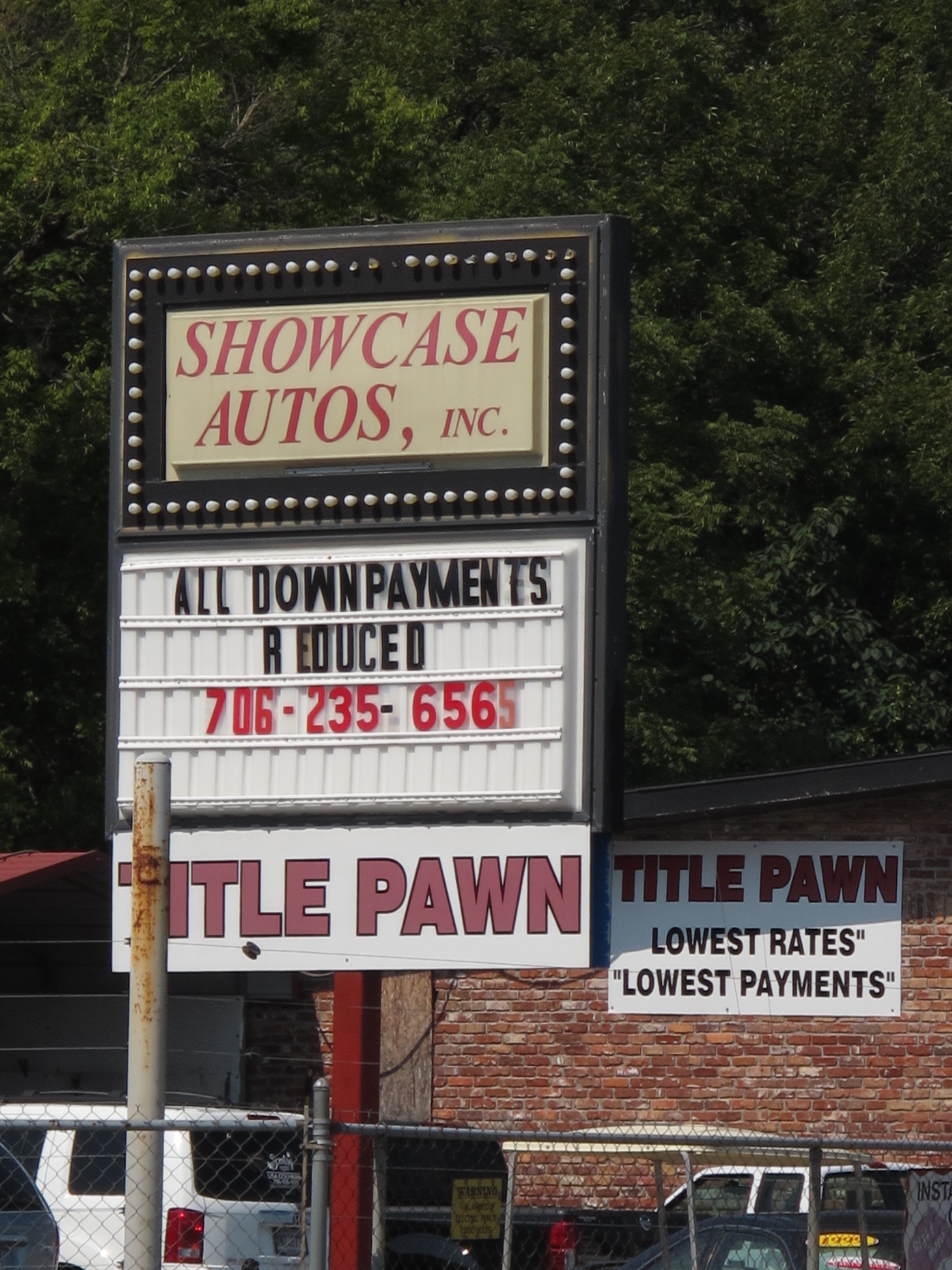
You can take a your own stroll with Google Street viewto see all the signs.   But here are some:


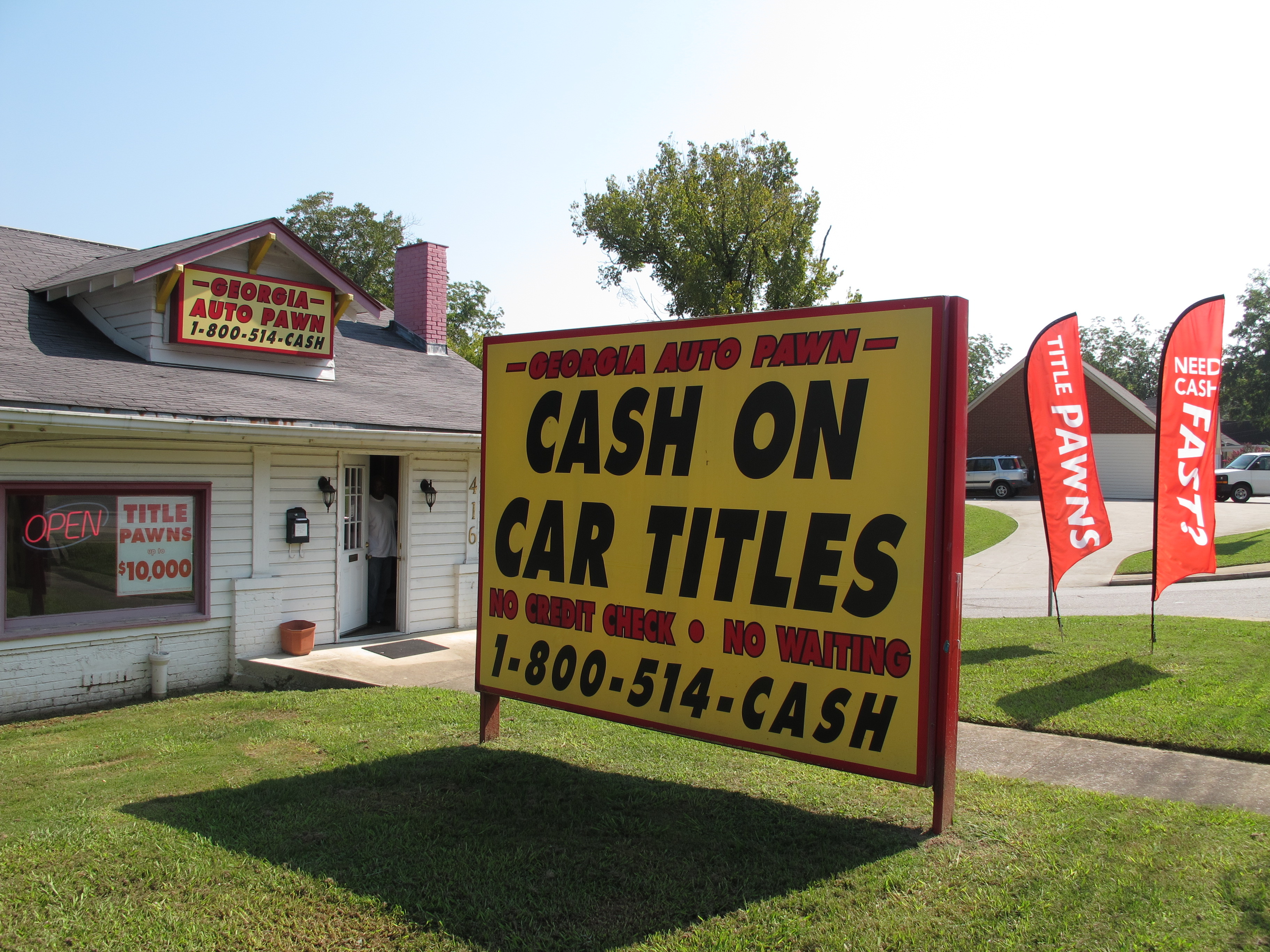
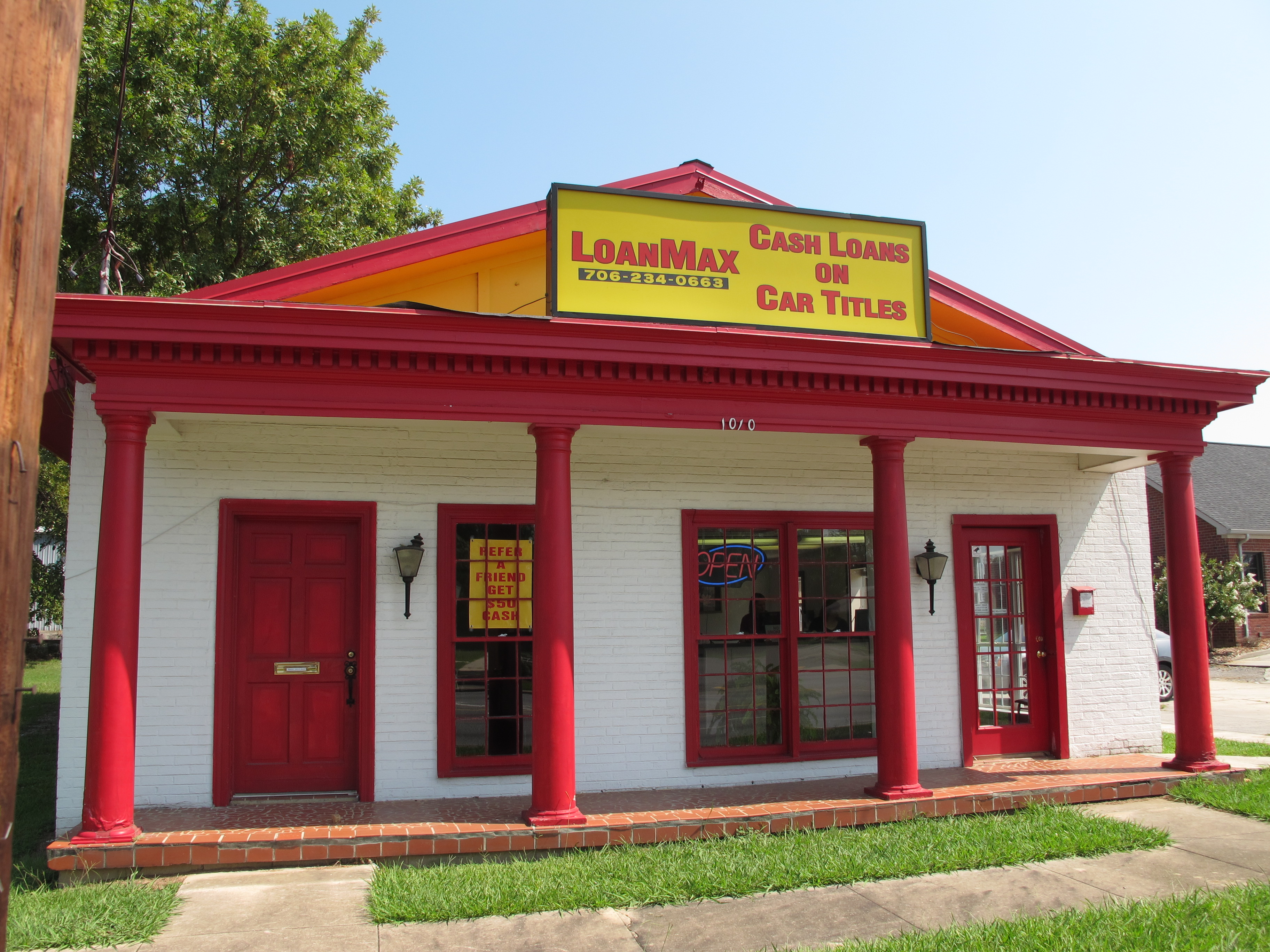
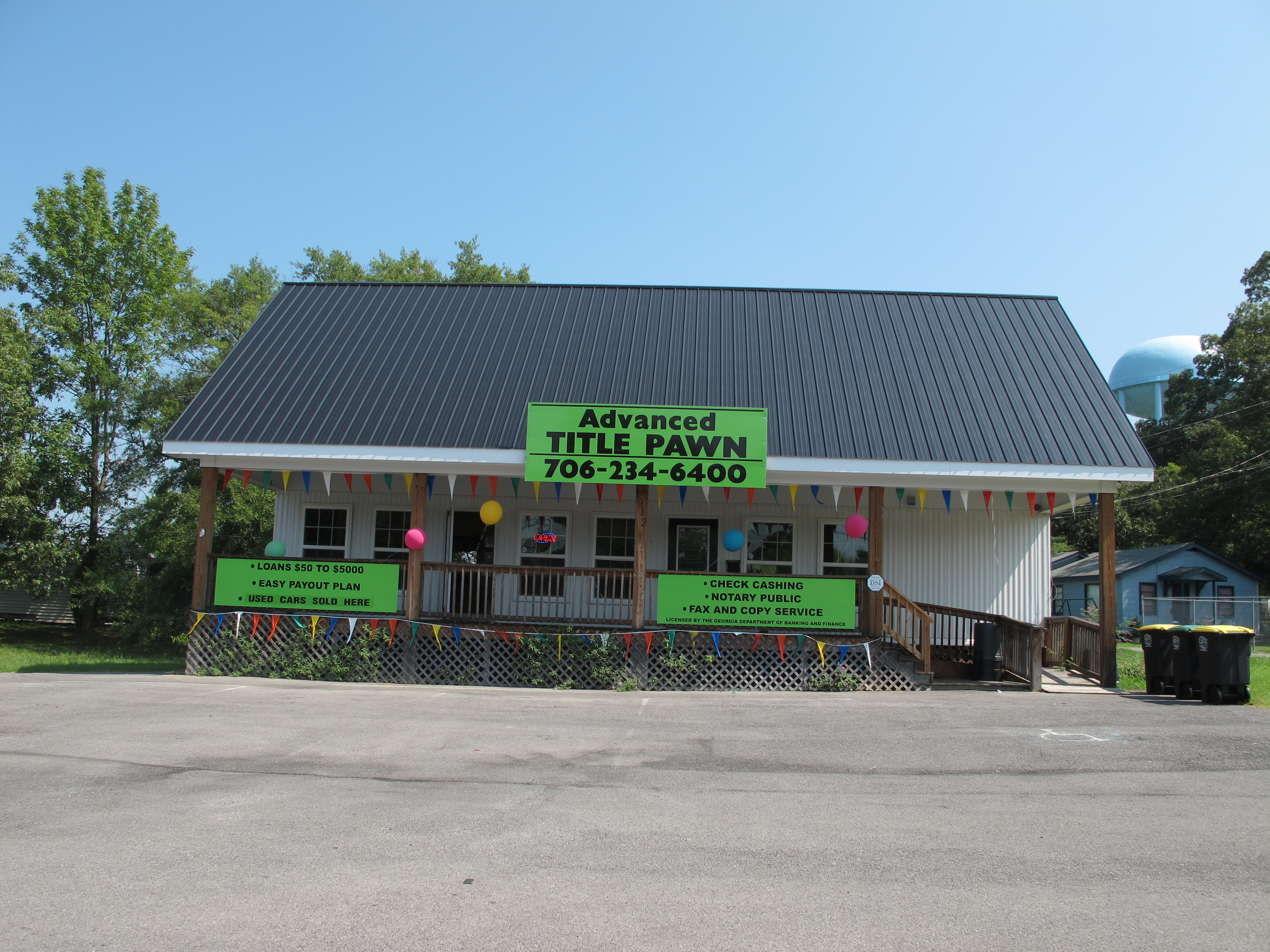
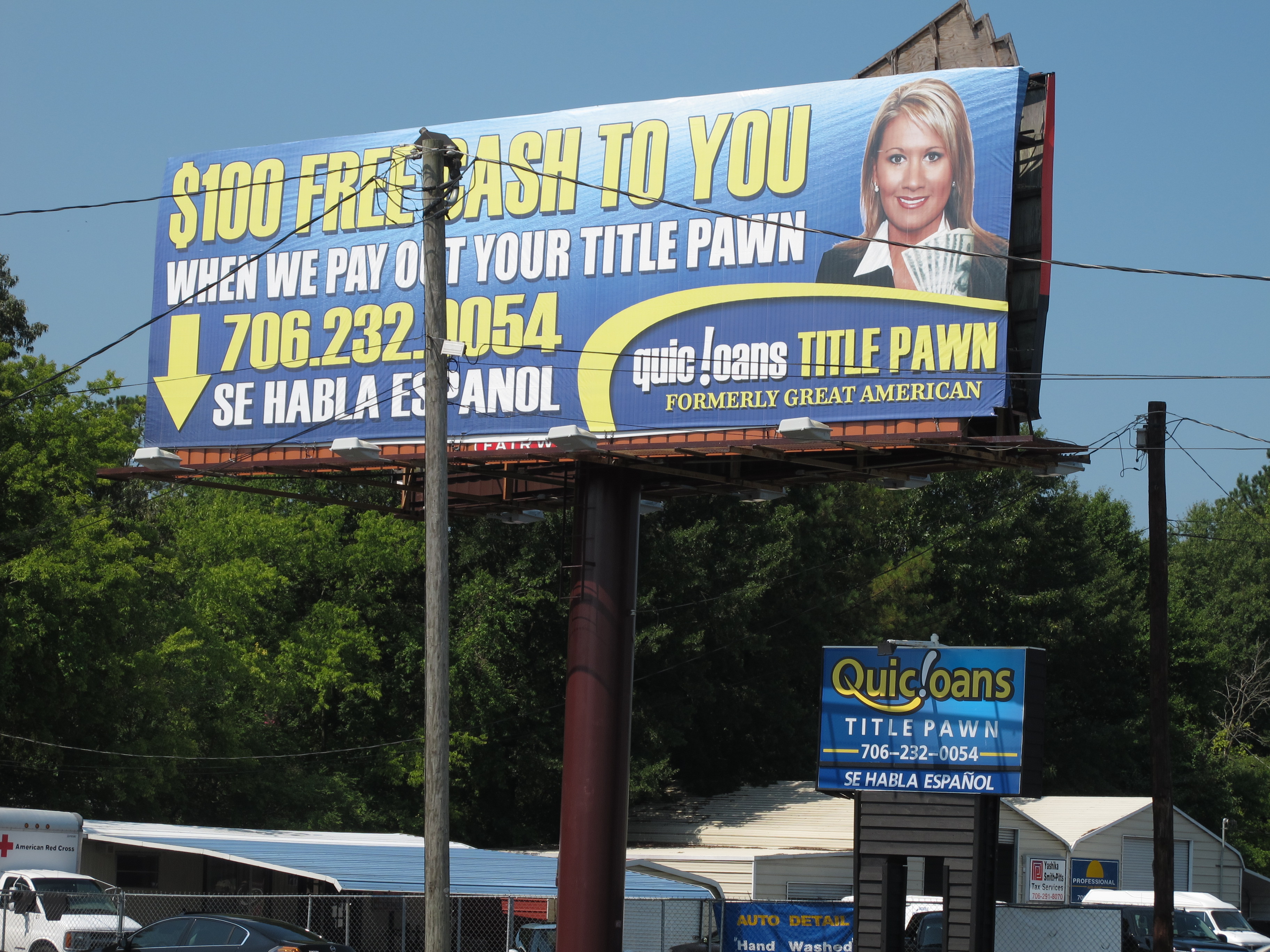
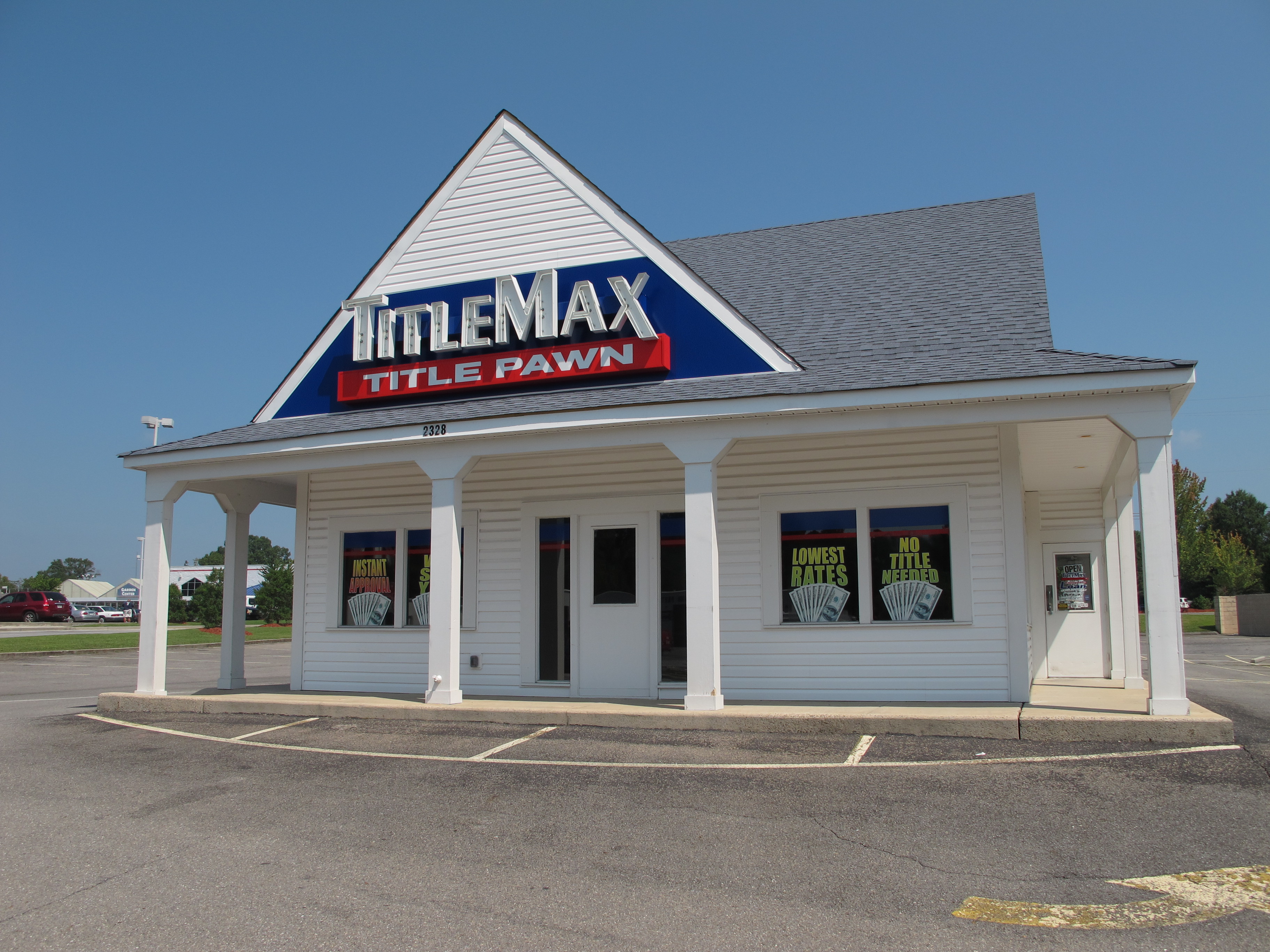
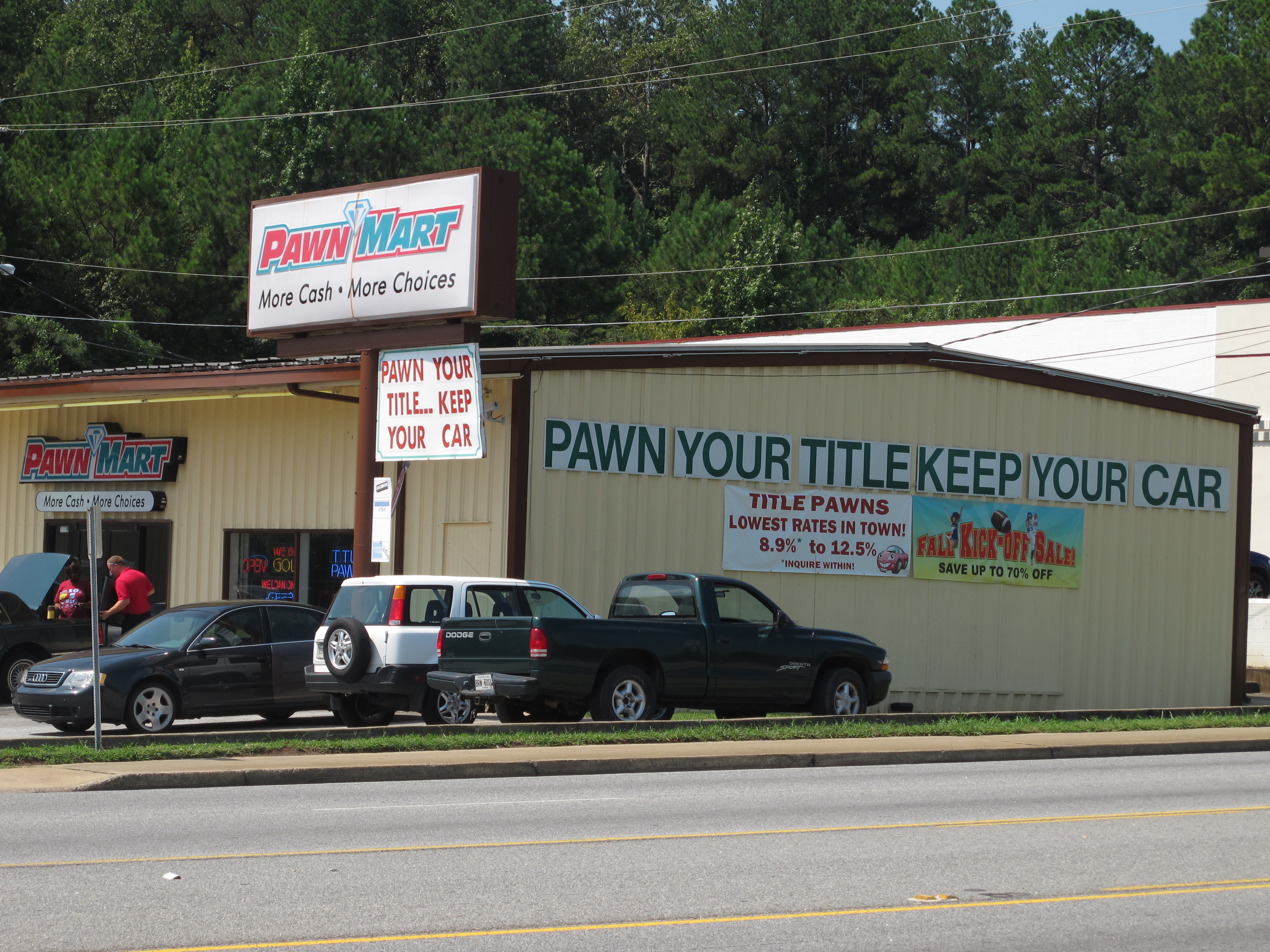
Title Pawn, or Title Loan places take your car, and lease it back to you. A high interest loan secured by your car. Banks are paying about 0% to the fed for money, the poor are paying much more.

Weekly payments are the same as how the microfinance places work in developing countries. The Nobel Peace prize winning approach to poverty eradication has arrived in the USA. Like what you see?

Title Pawn your JetSki.

Smiling beautiful women.

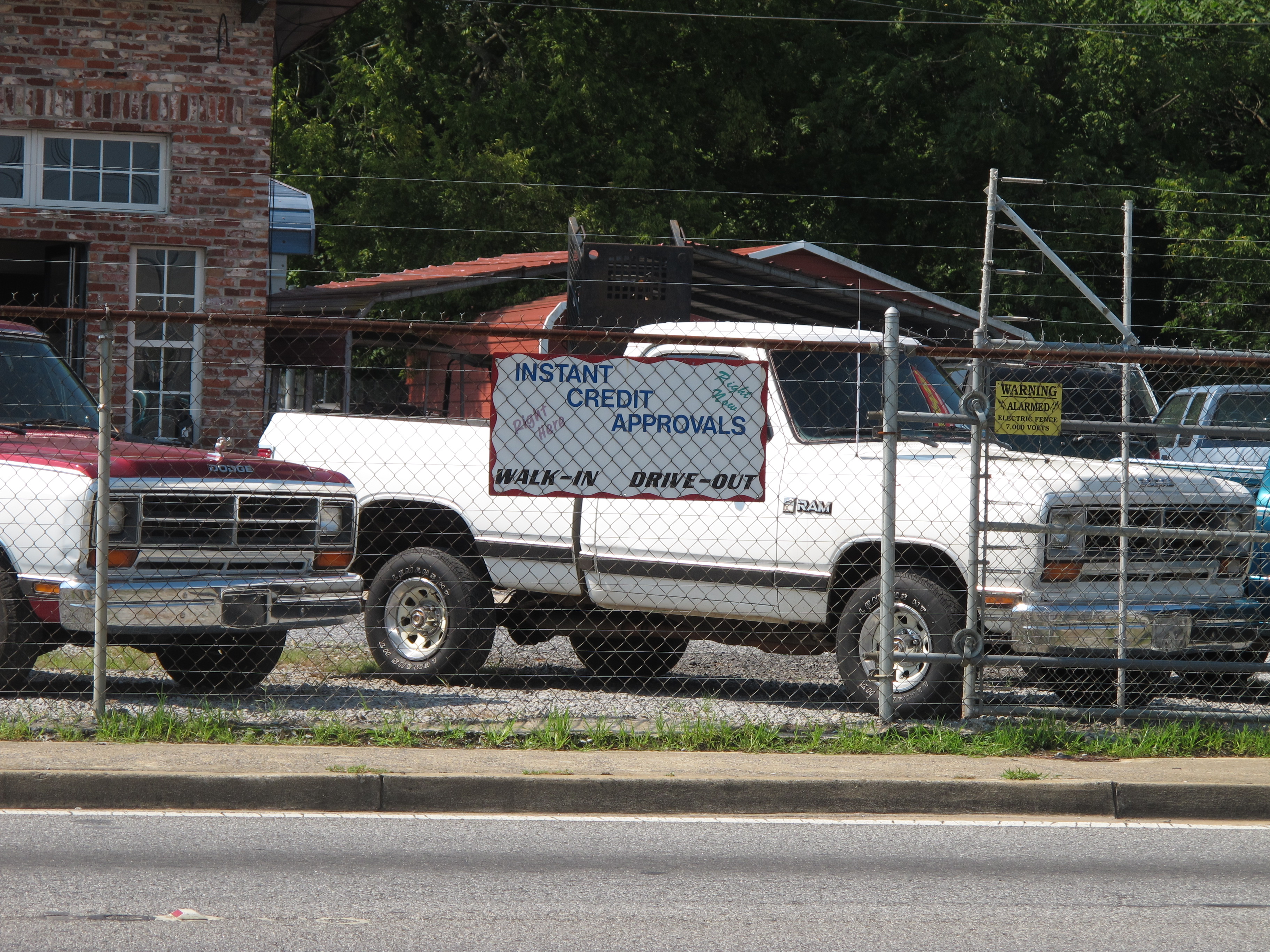
Car Showrooms here are surrounded by barbed wire.

Serving the latin american population, for a fee.

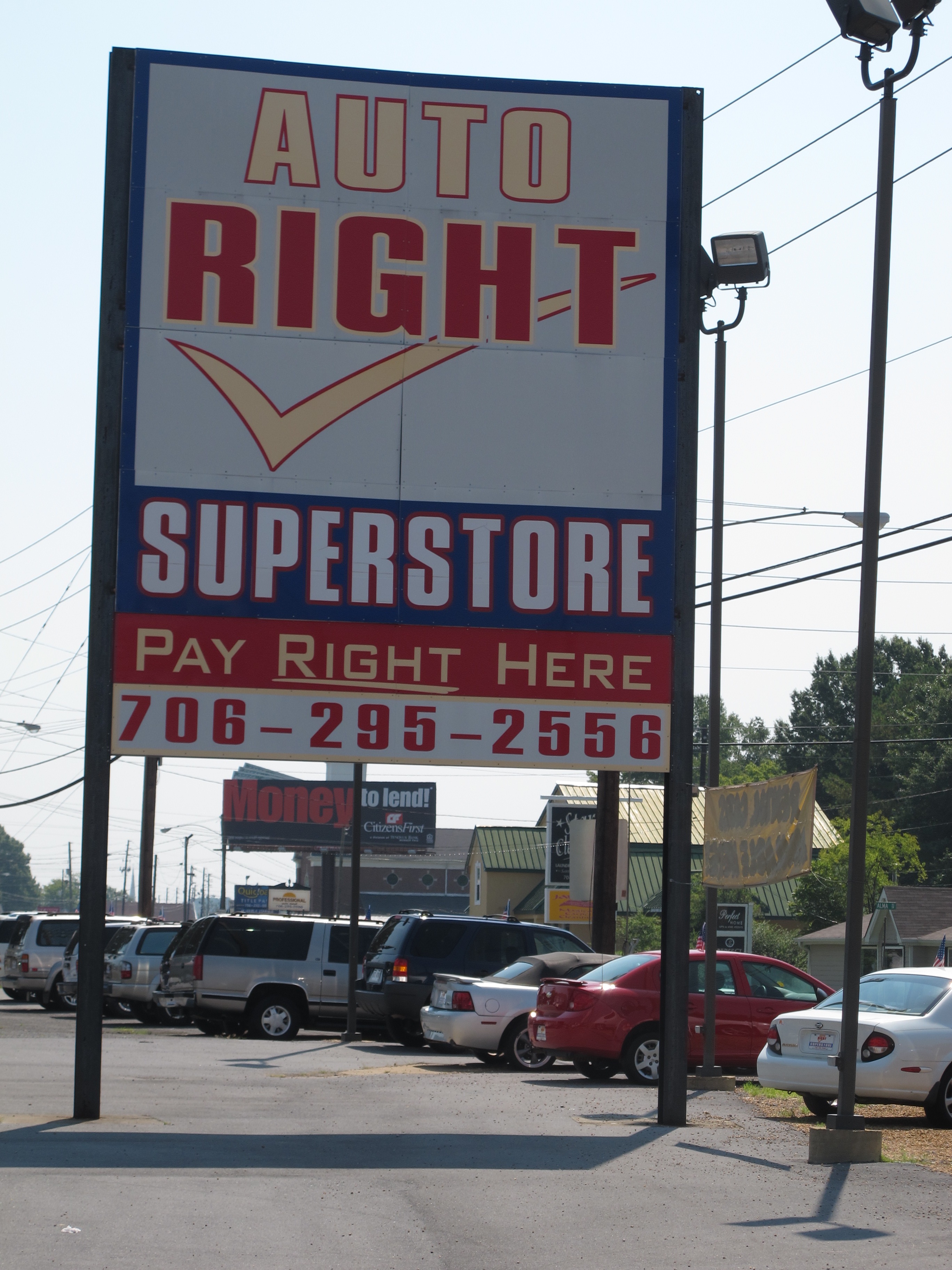
“Buy Here, Pay Here” means you go back weekly to make your payments rather than dealing with a bank.

Renting and Leasing has replaced owning. This place will rent a computer.

No need to go to a bank– used car lots will make the loan for you.

Car sales locations now look like places your car tow lots. Maybe they are car tow lots.

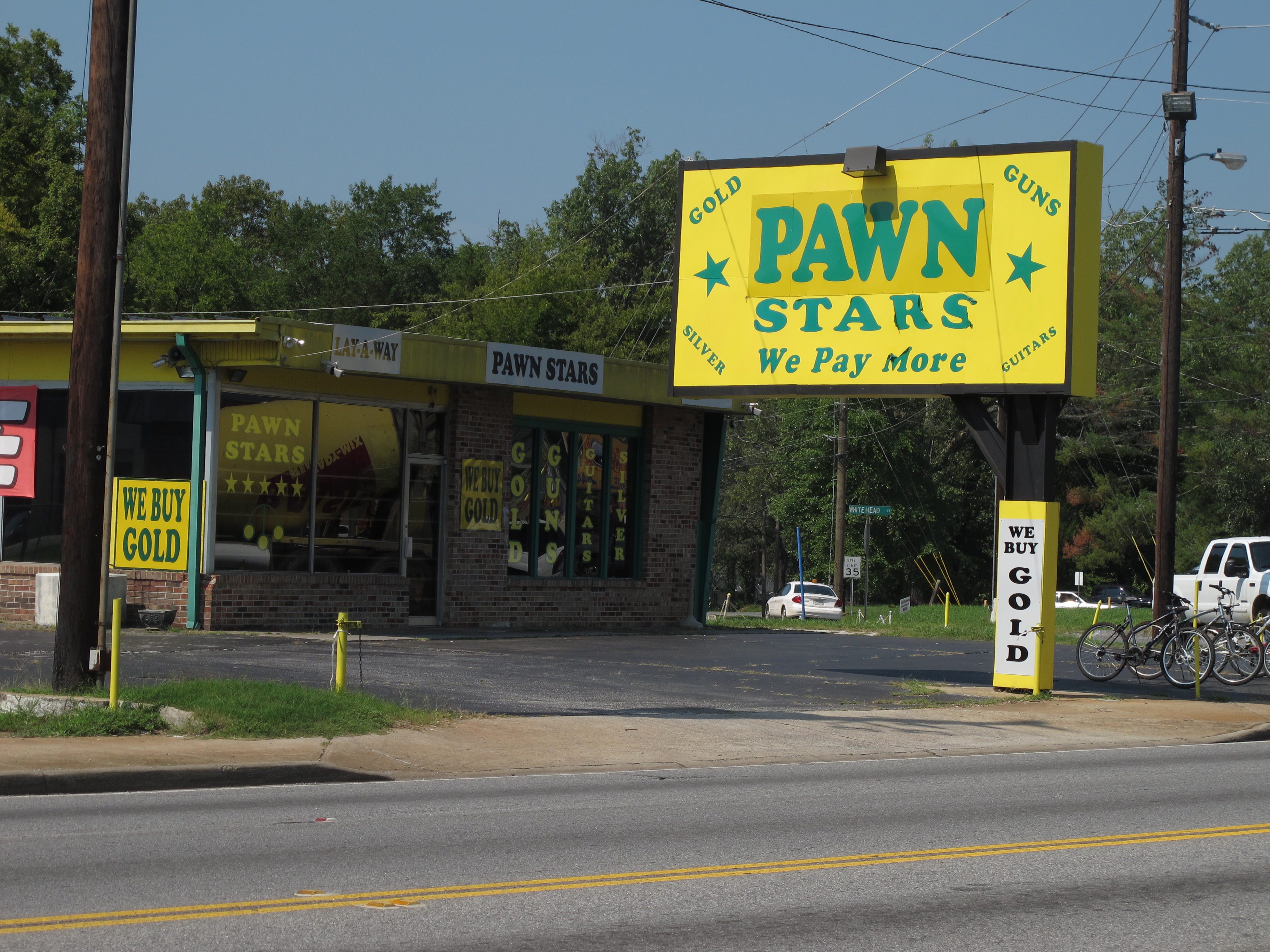
I hear there is a TV show called “Pawn Stars”. Here it a store named the same thing.

Pawn shop? They say they sell computers.

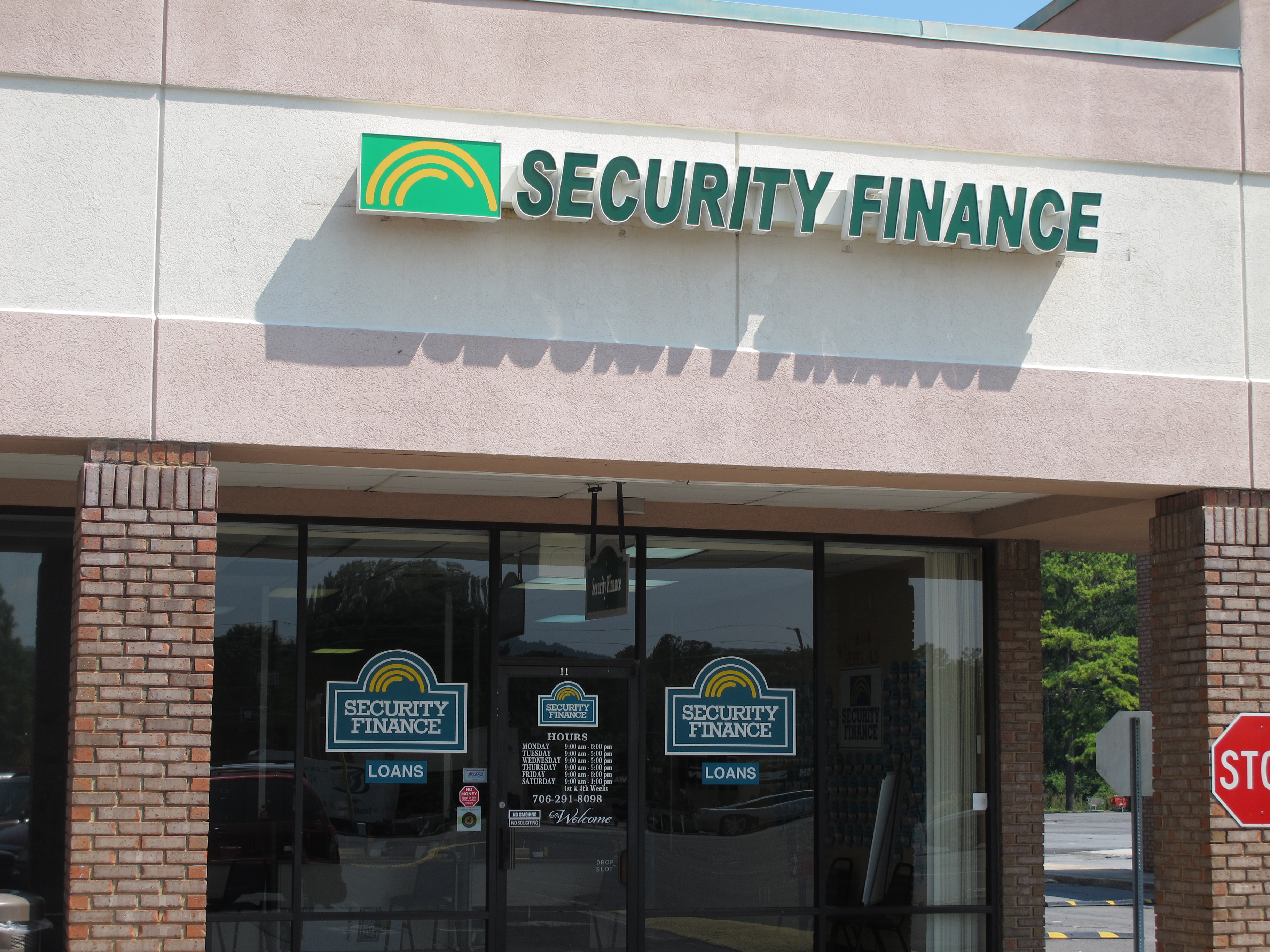
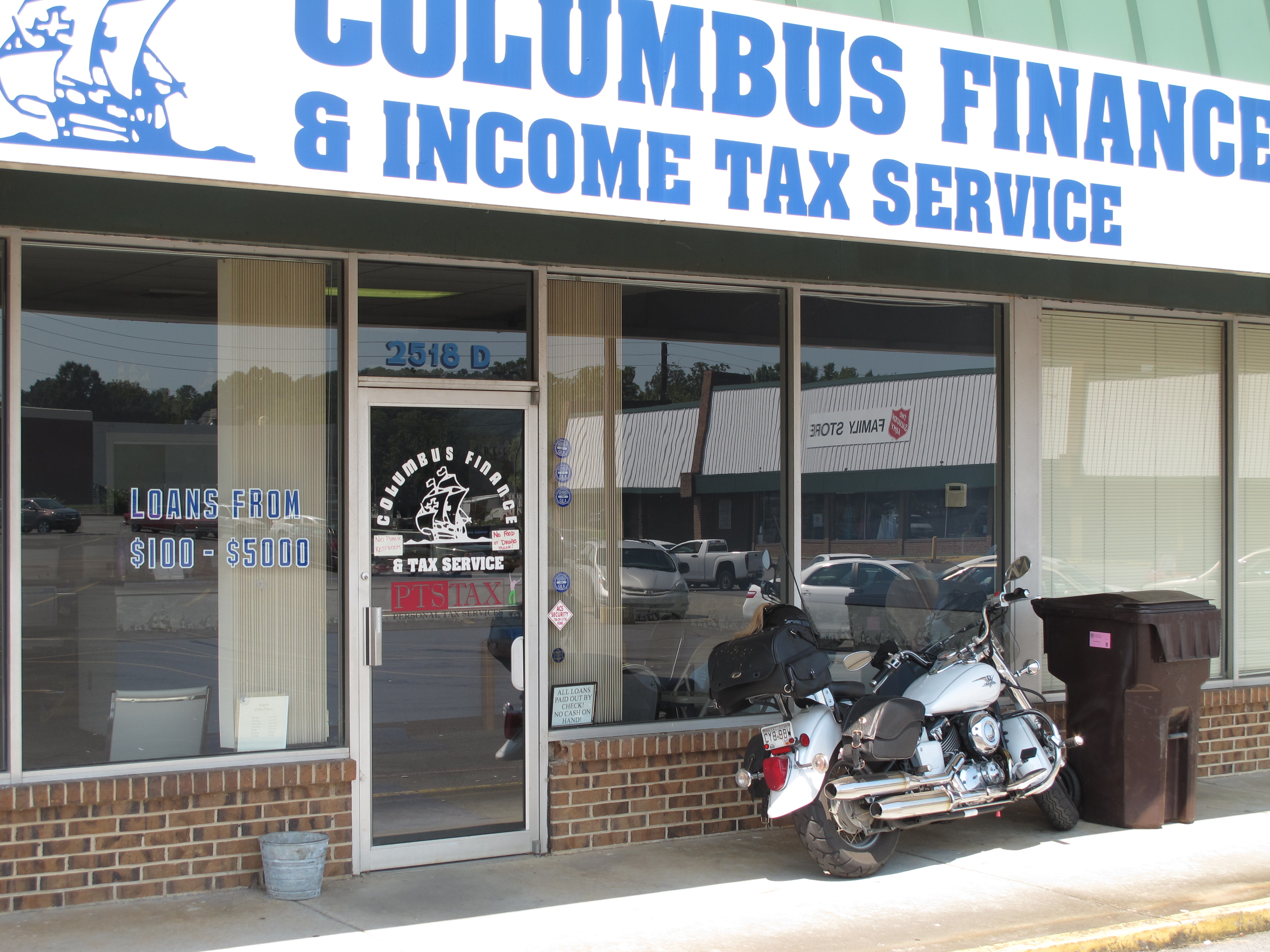
By “Finance”, I think they mean they are not a regulated bank.

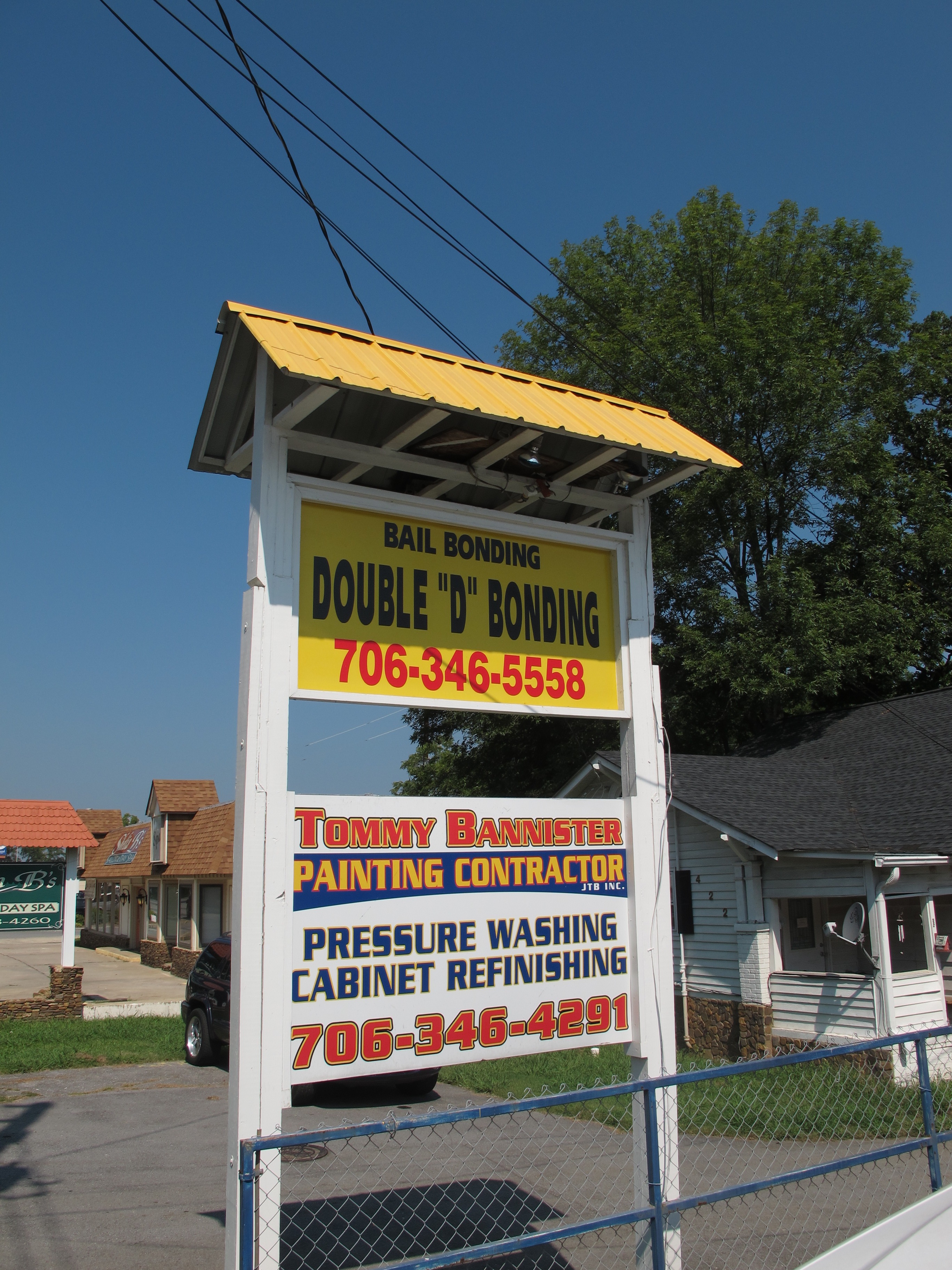
Jail Bond places are a rip-off: if you want to get out on bail and can not afford the full bail amount, you pay 10% to one of these places and do not get your money back. Judges price bail so the middle class can just afford this amount.

Title Pawn is when you surrender your car title and then you lease back the car. These are all over the south.

Posted in Uncategorized | 3 Comments

An Answer from Bali? — Money as a Garnish

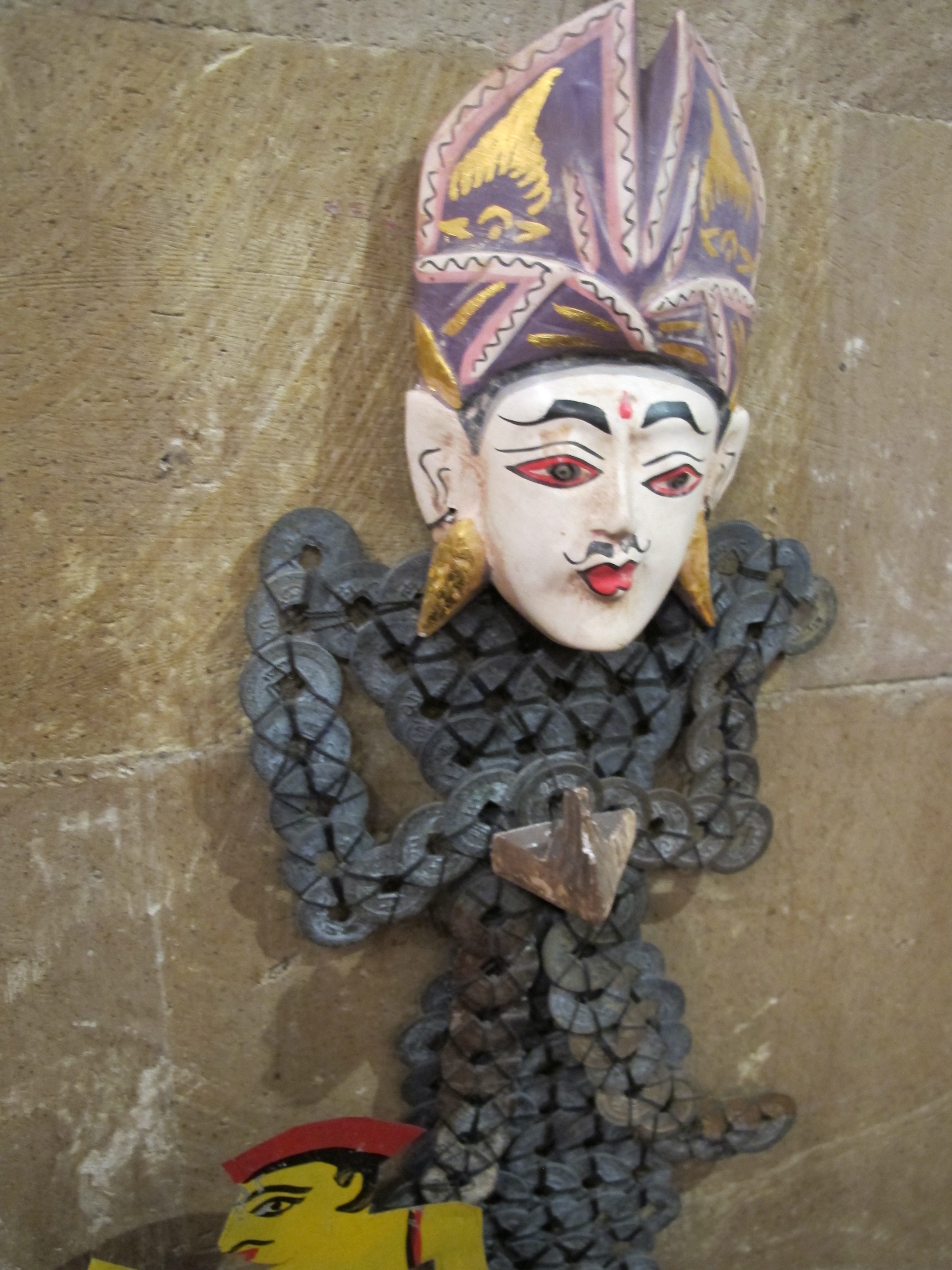
Chinese Coins (round with square hole) Made into a Doll

Up until the mid-20th century, the villagers of Bali mostly did not use money, or at least not for anything real.   They used rice.   Rice has the great characteristics that hording does not work (it rots), you can use it to plant more rice, and you can eat it.     This changed with the foreigner-imposed “green revolution” which is another story, and a sad story.

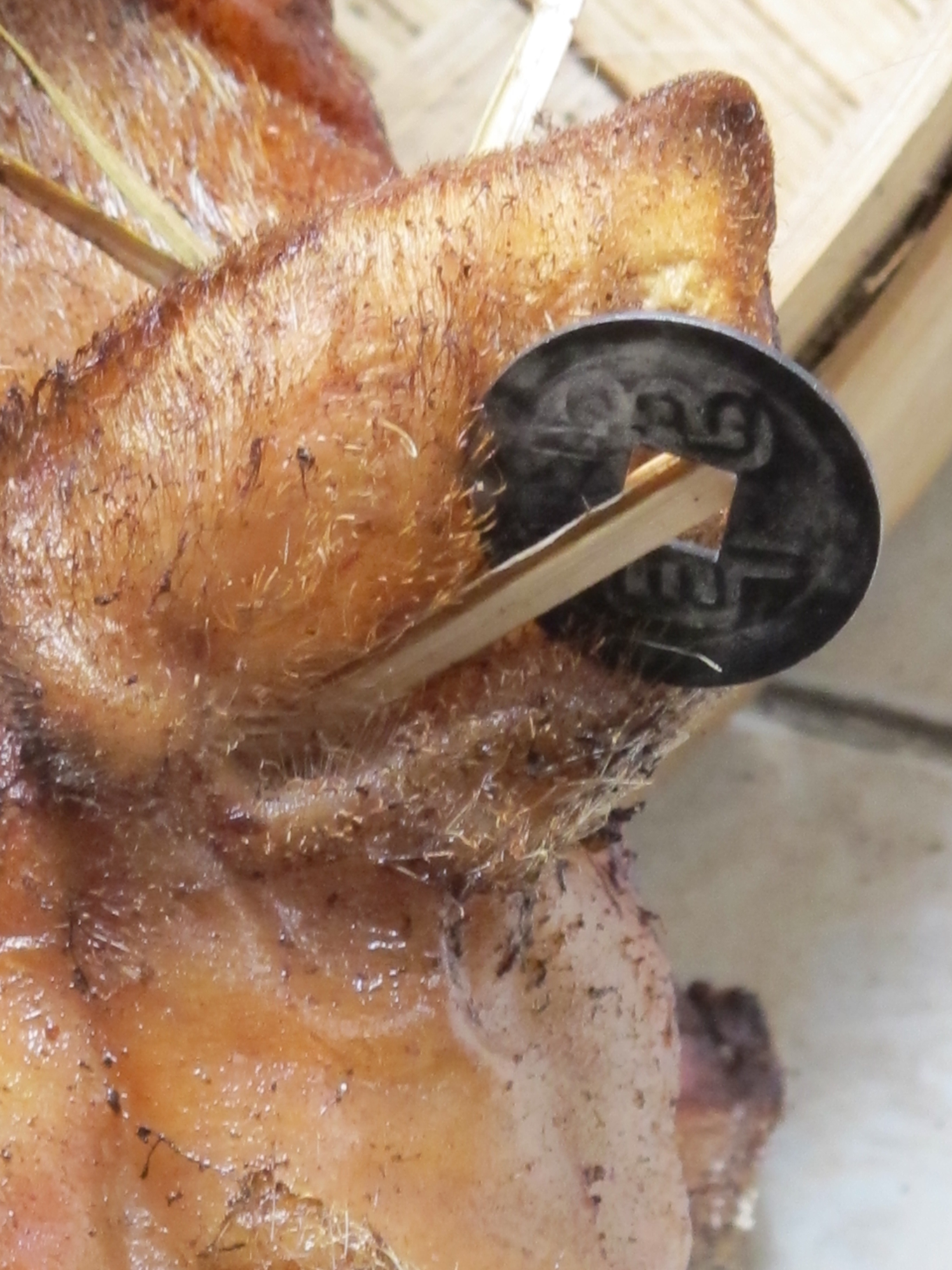
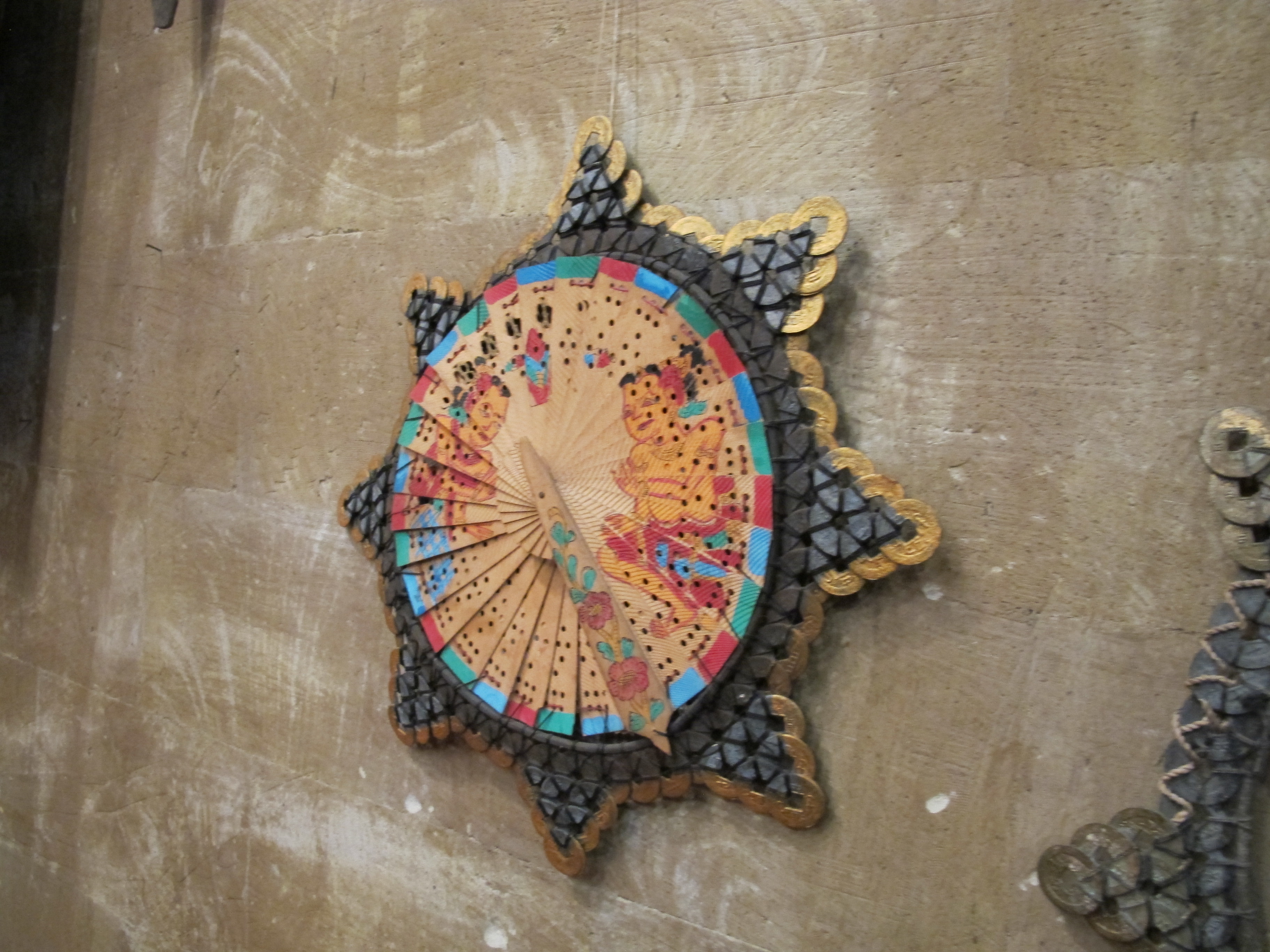
The Chinese hundreds of years ago tried to introduce money into Bali, and the coins are all over Bali, but they are used for decoration.  The make dolls out of them, or decorate offerings, make jewelry out of them, to dress a

Offering which included a coin

pig for a cremation (see photos below).    But money did not become central to their interactions with others.

For a thousand years, money for the Balinese was a garnish.    I think they are on to something.

Coinage is good for trading with people you don’t trust.  Herodotus writes about the first time he finds coins used (they were not used inside ancient Greece).   They were used in border towns between the Greek and Persian peoples– he wrote that these coins did not lead to good things (great write-up in Buchan’s book Frozen Desire: the Meaning of Money).

Cremation offering with coin attached to the ear

Coinage was often introduced in order to supply provisions to distant professional armies in the 6thC BC, as reported by Graeber in his fabulous book Debt: the first 5000 years.  This was an ingenious system.  If you were a King and your people mostly lived on giving credit to each other, then if you soldiers arrived in a village, they were not likely to get credit because they were transient and possibly untrustable.  To keep your soldiers from stealing what they wanted they came up with a system.   They gave the soldiers

Cremation offering close-up

tokens with the kings face them, and then demanded these tokens back from merchants as taxes.     So the Merchants had to get these tokens, the way to get them was to sell things to the soldiers.    This historically corresponds with currency creation being synchronous with the rise of professional armies in 600BC and the surge in the issuance of money with the rise of war debts.

But now bank credit and coinage are firmly linked.   Credit does not have the flexibility it did when it was between family members or community members– it now mostly issued by banks and enforced by police or armies.

What would it mean to treat “Money as a Garnish”?

Wall decoration incorporating coins

It would mean that the essentials of life would not go through money: housing, food, education, health.    Fun and non-essential things could still go through money– travel, movies from big studios, commercial rock concerts, trinkets from China.      But your essentials would not depend on your continuously winning the money game– it would be secure and reliable.   It would depend on community, friends, and family.    There might be credit systems set up between people, as all social relationships fundamentally are,

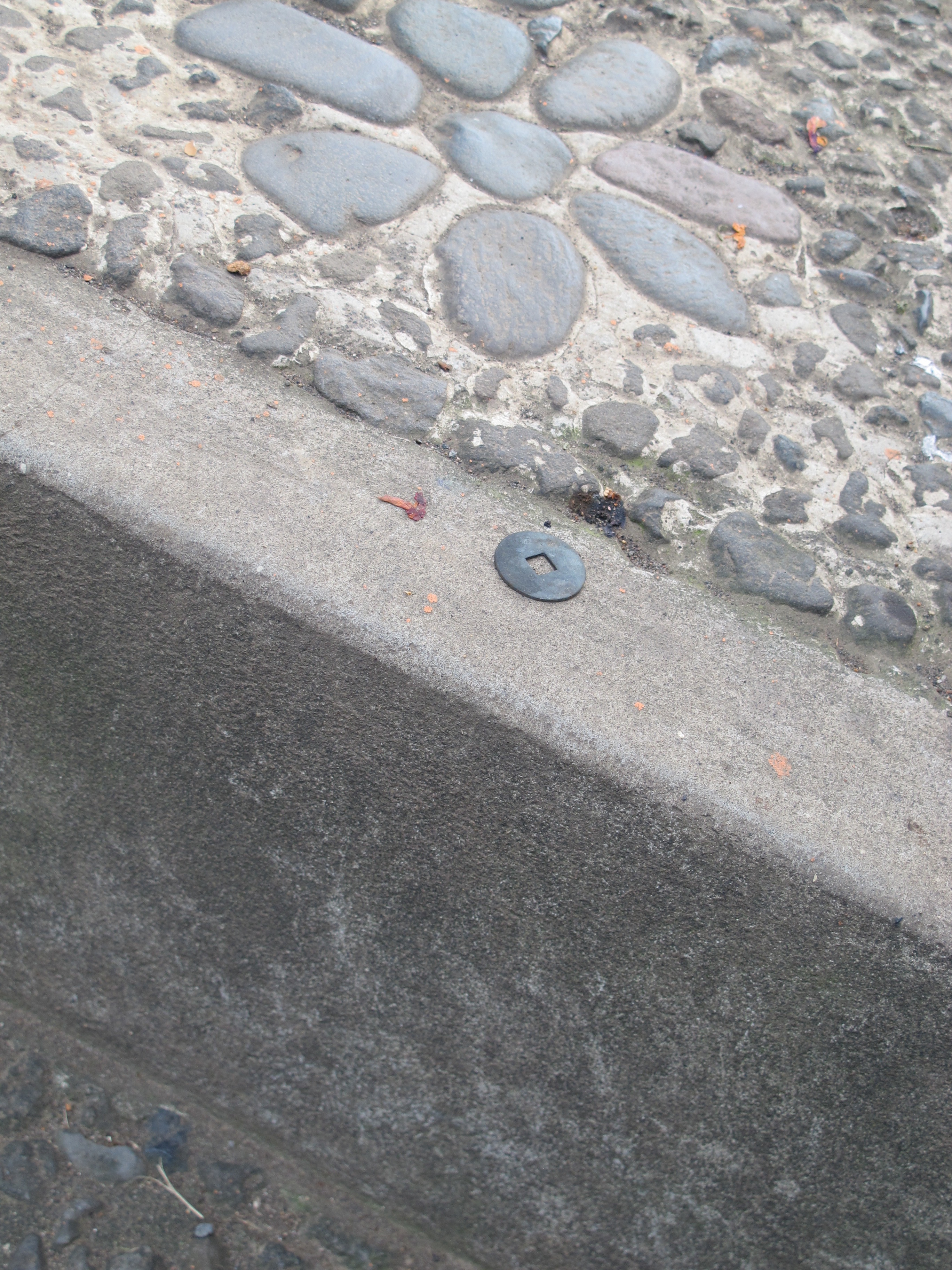
Coin left on temple step

but they could or might now be denominated in the coin of the realm.   Having ones house depend on always having a money flow means being homeless if the money is stopped for some reason.   This is scarey.

Money as a garnish would mean all money would be “fun money”, or “pin money”.    Our livelihood would be secure.

Money as a garnish.   Maybe the Balinese were onto something.

Doll made with mask and coins


Posted in Uncategorized | Comments Off on An Answer from Bali? — Money as a Garnish

Heart Warming Graffiti in Bangkok’s Chinatown

Posted in Uncategorized | Comments Off on Heart Warming Graffiti in Bangkok’s Chinatown

Singapore Airport :)

Posted in Uncategorized | Comments Off on Singapore Airport :)

Is there a way to decrease total debt?

“Spend less, save more” is the advice for the individual to decrease debt, but what about thinking system-wide?  What does it take to have less total debt in society?

Counter-intuitively, the key to having less total debt is to have less total money.    This stems from the fact that money and debt create each other.   The more total money there is in people’s bank accounts, the more debt there will be.    So when the government talks about “increasing the money supply” or “increasing bank liquidity” or “recapitalizing the banks” they are also saying they want there to be more debt.     With more total debt comes more total interest payments, which moves more total money from debtors to creditors.    In short the rich get richer.

This is the key concept– with less total debt or total money, the less money moves from debtors to creditors because of interest.   This is a systematic issue that can be rethought at a systematic level.    At most times in human history, interest was a sin and illegal.   David Graeber in his book Debt, the First 5,000 Years, shows that interest comes and goes on long historic cycles, so we can assume interest will become illegal again, but this could take decades or centuries.

To decrease total debt and therefore total money we have to hold wealth in other forms.     Paying off all home debt, for instance, would remove trillions of dollars from the total debt rolls.    The mortgage system is quite recent and has been a boon to bankers and creditors since they benefit from this new and massive form of total debt.     Student loans has now scaled into a multi-trillion dollar bonanza.   New debt products seem to rip through our culture because of the profits that come from increasing total debt levels.   Putting villagers in debt with microfinance schemes is one of the most recent “financial innovation.”

This sounds very nice to decrease debt, but how do individuals do their part to decrease the total debt?   Some think renting is different from owning/debt, but this does not bear closer scrutiny.   Renting is mostly paying someone else’s debts.    Muslim’s still have the prohibition on money-at-interest, as most religions have had, and some schemes have been invented to try get around these such as renting rather than buying as was tried in Toronto, but renting is not that different front debt.

Approaches to decrease total debt by decreasing total money:

* One approach is to own shares of things, like houses, rather than debt contracts.     Shares have flexibility that debt does not, there is shared risk, and there is no money flowing or stored in bank accounts.

* Many families support family members by helping buying, say one half, of a house that is lived in by a family member and then when the house sells, they split the resulting money.   Is this fair?   Well, one member gets to enjoy the house and the other does not, but on the other hand the one living there will pay to fix up the house and the other will not.

* Informal exchange of dinner parties can decrease restaurant use.    This helps de-monetize  food and increase sharing.   Enduring positive relationships come from this.   I know because I have been doing this every Thursday for 25 years.

* Sharing couches or staying in our apartments when we are away takes more trust than hotels but this has its own rewards.   Many popular Internet services have tried to help with logistics and trust (through reviews and reputation).

* Hitchhiking can be promoted as well as a way to share more and spend less.

* Shares in companies has some of these positive aspects, but does not seem to have the positive values of shares in more local and personal assets.    Local shares are often renegotiated as time goes by which is a key difference from debt contracts.

Basically, investing in more complex relationships rather than hoarding money in bank accounts will help keep the total debt down, which would have systematic benefits.  For those that might go into debt, try giving and giving, and often benefits come back without monetary charges.

Posted in Uncategorized | Tagged , , | Comments Off on Is there a way to decrease total debt?